
Let's Start With the Puppy Years
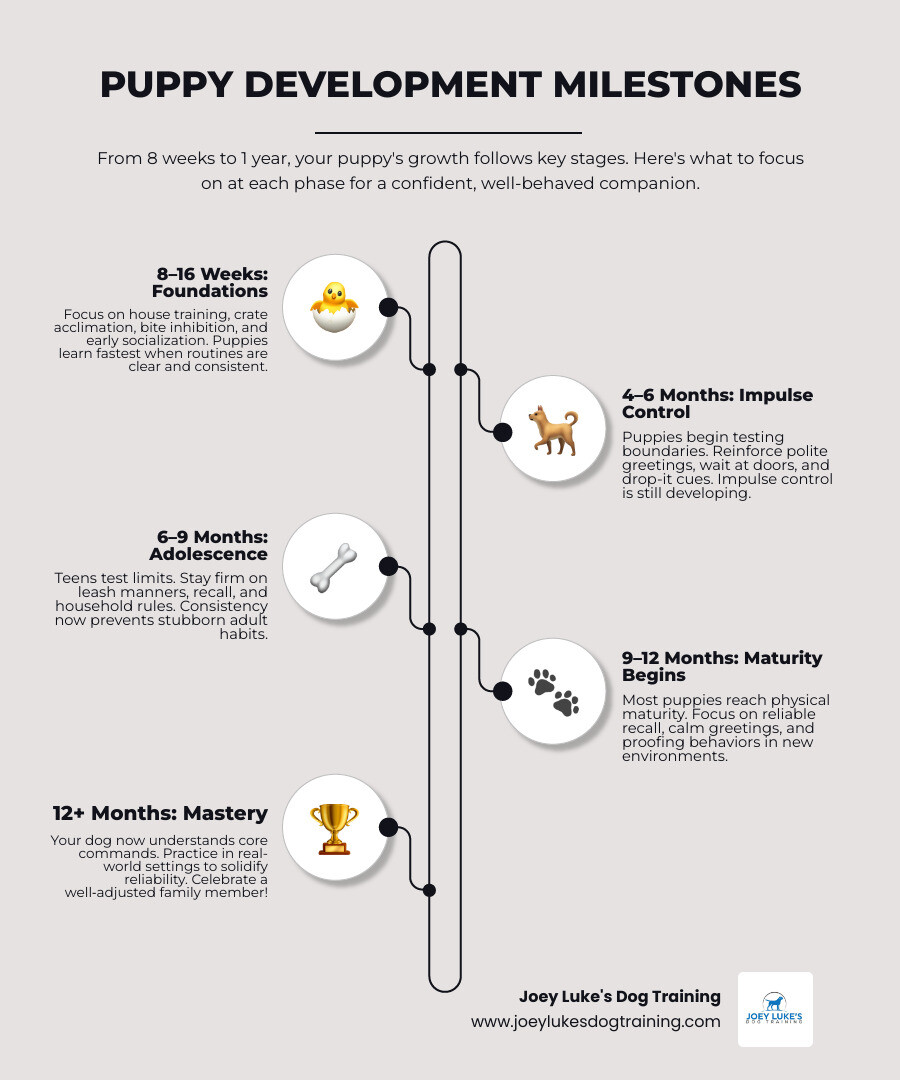
A useful puppy training program starts when your puppy comes home, often around 8 weeks old. Look for a plan that teaches house routines, safe socialization, and simple cues first. As your puppy grows, it should build recall, leash manners, and self control. Most importantly, it should show your family how to practice between lessons.
That matters when you're juggling school runs, dinner, and a puppy who's decided the kids' shoes are toys. A clear plan helps everyone in your Livonia area home respond the same way.
I'm Joey Johncox. I got my start training dogs in rescue over a decade ago, and I've helped hundreds of dogs and owners build the foundations a puppy training program should teach.
How Your Puppy Can Feel Safe and Find Their Place at Home
Bringing an eight week old ball of fluff into your living room feels like pure magic until nobody gets any sleep and your favorite rug takes a hit. Puppies don't arrive with an understanding of human house rules. They need clear boundaries and balanced guidance from day one so they can relax instead of guessing what you want.
Building early trust means showing your puppy what behaviors earn rewards while preventing bad habits before they start. When you break down the puppy kindergarten curriculum, you'll see that core obedience is really about communication. Following a structured puppy training timeline ensures you hit essential developmental markers without feeling overwhelmed.
Why Starting Early Can Make Your Family's Days Easier
The developmental window between 8 and 16 weeks is prime real estate in your puppy's brain. During these weeks, puppies are exceptionally open to new sights, sounds, and textures without immediately jumping to fear. Missing this window makes teaching basic confidence much harder later on when the dog is bigger and stronger.
Early socialization isn't about letting your puppy greet every single dog and human on the sidewalk. True socialization is teaching your pup to remain neutral around soccer games, strollers, vacuum cleaners, and delivery trucks. Learning what your puppy is trying to tell you through subtle body language keeps interactions positive and builds real world confidence.
What to Focus on From 8 Weeks Through Your Puppy's First Year

Between 8 and 16 weeks, focus on basic household manners, crate comfort, and gentle exposure to everyday life. Your pup should learn to sit politely before meals and start understanding that humans are fun leaders to follow. Keeping sessions short and upbeat helps these tiny attention spans absorb key concepts without frustration.
By six months, your puppy enters adolescence, which means testing boundaries and pretending they forgot their own name. This stage requires steady impulse control, loose leash walking, and a reliable recall around distractions. Our comprehensive puppy training Michigan guide walks through these adolescent shifts so you stay ahead of rebellious behavior. By one year, consistent practice turns those early lessons into dependable lifelong habits.
How to Make Everyday Puppy Life Feel Less Chaotic
Puppy chaos usually peaks right around dinner time when kids are finishing homework and parents are trying to cook. Unstructured free time leads directly to chewed baseboards, counter surfing, and zoomies across the furniture. You can sidestep these headaches by creating a predictable daily rhythm that tells your pup exactly when to play and when to rest.
Recognizing the common mistakes families make when raising a puppy saves your sanity early on. Puppies thrive on routine because it removes the guesswork from their day. When you balance physical exercise, mental games, and enforced naps, your home transforms from a circus into a calm living space.
How to Make Potty, Crate, and Bedtime Routines Stick
Potty training success comes down to careful management rather than hoping for the best. Young puppies have tiny bladders and can't hold it for hours while roaming freely through the house. Using our proven approach to puppy house training establishes a clean routine using designated outdoor spots and timely rewards.
Crates provide a secure den where your puppy can recharge and learn emotional independence. Feed meals in the crate, drop high value treats inside, and practice short quiet sessions while you're in the same room. A puppy that learns to settle quietly in their crate will sleep peacefully through the night and avoid destructive separation anxiety when left alone.
How to Help Those Puppy Teeth Find a Better Job
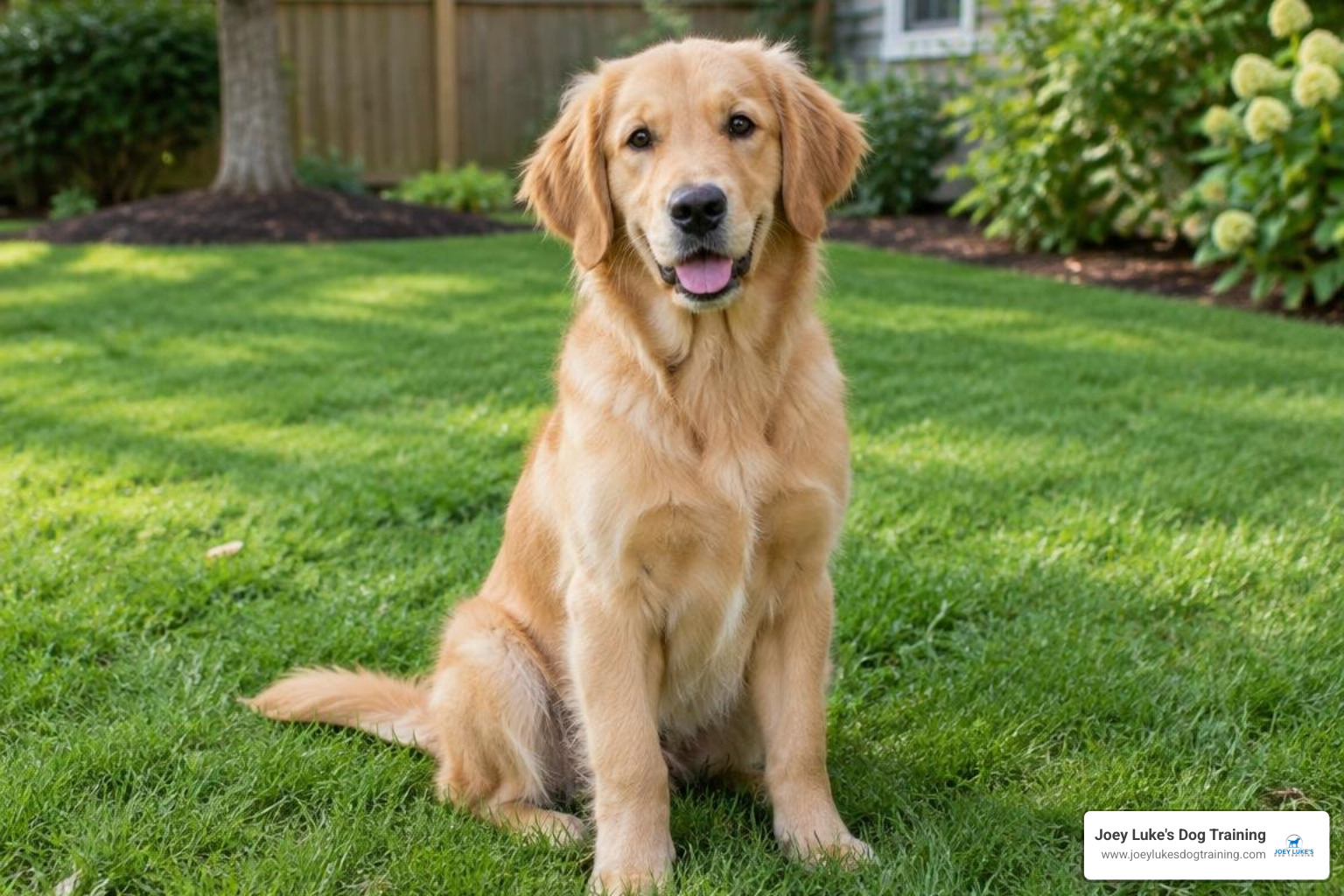
Puppy teeth feel like tiny needles, and young dogs explore the world by putting their mouth on everything they find. When your pup grabs your sleeve or chomps down during playtime, redirect their attention immediately to an approved chew toy. If they keep nipping, quietly end the game for a minute to show that biting makes the fun stop.
Impulse control games teach puppies to think before they act. Teach your pup to wait calmly at open doorways rather than bolting outside into the yard. Practice asking for a quiet sit before setting down the food bowl or tossing a favorite ball. These small daily routines build emotional control that carries over into all areas of obedience.
How to Find a Training Plan That Fits Your Family
Every household runs on a different schedule, especially when you're balancing school pickups, sports practices, and busy work weeks. Finding the right training setup means looking at your family's bandwidth and your puppy's current needs. The goal is to pick an approach that creates steady progress without adding extra stress to your calendar.
Safe training environments protect puppies that are still working through their initial puppy vaccination series. High quality programs balance physical safety with essential early exposure so your dog doesn't miss critical learning stages. Look for trainers who offer clear roadmaps tailored to real world family living.
Which Training Option Works Best for Your Household?
| Feature | Private In Home Lessons | Board and Train Programs |
|---|---|---|
| Primary Location | Your home and neighborhood | Trainer's structured facility |
| Time Commitment | Weekly sessions plus daily home practice | Trainer does the heavy lifting daily |
| Best For | Hands on owners wanting step by step coaching | Busy families needing fast, solid results |
| Travel Alignment | Fits flexible weekly routines | Perfect alongside summer vacations |
Private lessons give busy parents the ultimate flexibility by bringing professional coaching directly to your living room. We work around your family's schedule and tackle specific challenges right where they happen, from front door barking to yard boundaries. It's a fantastic choice if you want hands on guidance tailored to your kids and daily routine.
Board and train programs take the heavy lifting off your plate by immersing your dog in daily professional training. If you're already planning a family getaway, rolling your boarding budget into a board and train program gives you a well mannered companion when you return. Our balanced training approach uses clear communication, fair boundaries, and reliable tools like electronic collars to give your dog ultimate off leash freedom and dependable manners.
What Should You Ask a Trainer About Safety and Results?
When hiring a professional, ask how they handle real world distractions beyond a sterile indoor training room. A reliable family dog needs to listen at busy Metro Detroit parks, suburban sidewalks, and crowded school drop off zones. Trainers should have extensive background working with varied temperaments and rehabilitation cases.
Ask about their training philosophy and how they introduce boundaries. A balanced approach gives dogs complete clarity by combining positive rewards for good choices with fair, calm corrections for unwanted behavior. This balanced foundation creates confident pets who understand exactly how to succeed in your busy household.
Puppy Training Questions You Might Be Asking
When should our family begin formal puppy training?
You can begin training the moment your eight week old puppy arrives home. Early work focuses on housebreaking, crate comfort, name recognition, and gentle boundary setting. Starting right away prevents problem habits before they take root in your living room.
Can older dogs benefit from foundational training if we missed early puppyhood?
Dogs of any age can learn reliable manners through clear communication and consistent structure. Older dogs often need a reset to break established bad habits, but they pick up new routines quickly with balanced training. It's never too late to transform an unruly adult dog into a calm companion.
How long does housetraining typically take for a young puppy?
Most puppies take several months of consistent management to achieve total housebreaking reliability. Bladder control matures physically between four and six months of age. Staying consistent with feeding schedules and outdoor breaks prevents setbacks along the way.
A Strong Start for a Lifetime Together
Raising a puppy in a lively Michigan household comes with plenty of laughter, spilled water bowls, and chaotic moments. Putting the right structure in place early turns that puppy energy into dependable manners your whole family can enjoy.
Whether you need hands on coaching through private lessons or want us to do the foundation work during a board and train stay, we're here to help. Explore our programs and start your puppy training to set your dog up for a lifetime of good behavior.
