
7 Common Puppy Obedience Training Mistakes You Can't Afford to Make
Why Waiting Too Long Can Make Puppy Training So Much Harder
Puppies grow up fast, and their prime learning window closes sooner than most people think. Between eight and sixteen weeks of age, your puppy goes through a critical developmental stage where their brain acts like a little sponge. What they experience during these weeks shapes how they view the world for the rest of their life.
When families wait until six or seven months to start training, they often end up dealing with entrenched habits. Chewing on table legs, jumping on visitors, and barking at the front door become default behaviors rather than passing phases. Exploring a good curriculum by demystifying the puppy kindergarten curriculum shows how early guidance prevents these headaches before they take root.
Starting early also teaches your pup vital bite inhibition and impulse control around the house. Young pups learn quickly that gentle mouths keep the fun going, while sharp puppy teeth pause playtime immediately. This early structure turns chaotic mornings into manageable routines for everyone under your roof.
Why Socialization Isn't Just Chaotic Dog Park Play
Real socialization means teaching your puppy to stay calm, relaxed, and neutral around strange sights, noises, and people. It doesn't mean letting your dog jump into a frantic pile of unfamiliar dogs at a public park. Uncontrolled playgroups can easily overwhelm a sensitive pup and create fear based reactivity that takes months to undo.
We focus heavily on parallel play dynamics and neutral environmental exposure during early development. Your puppy learns that other dogs can walk past without needing to greet, bark, or pull on the leash. If you got a wild summer puppy how socialization can save your sanity explains how structured, calm outings build genuine confidence.
Teaching handler focus around everyday distractions creates a dog that looks to you for direction when things get hectic. That focus pays off every time a neighbor walks by with a stroller or another dog barks across the street.
Before Class, Get Your Puppy's Health and Gear Ready
Safety comes first whenever puppies gather in a shared space, so reputable programs maintain strict health requirements. Your pup should have their first round of distemper and parvovirus boosters, along with a regular deworming schedule, before attending group sessions. Most quality facilities also require a negative fecal test to keep the training floor clean for developing immune systems.
Many training programs also ask that your puppy has lived in your home for at least ten days prior to starting. This brief adjustment window ensures your puppy is healthy, eating well, and settled into their new environment before adding the excitement of a classroom.
Are You Bringing the Right Treats and Equipment?
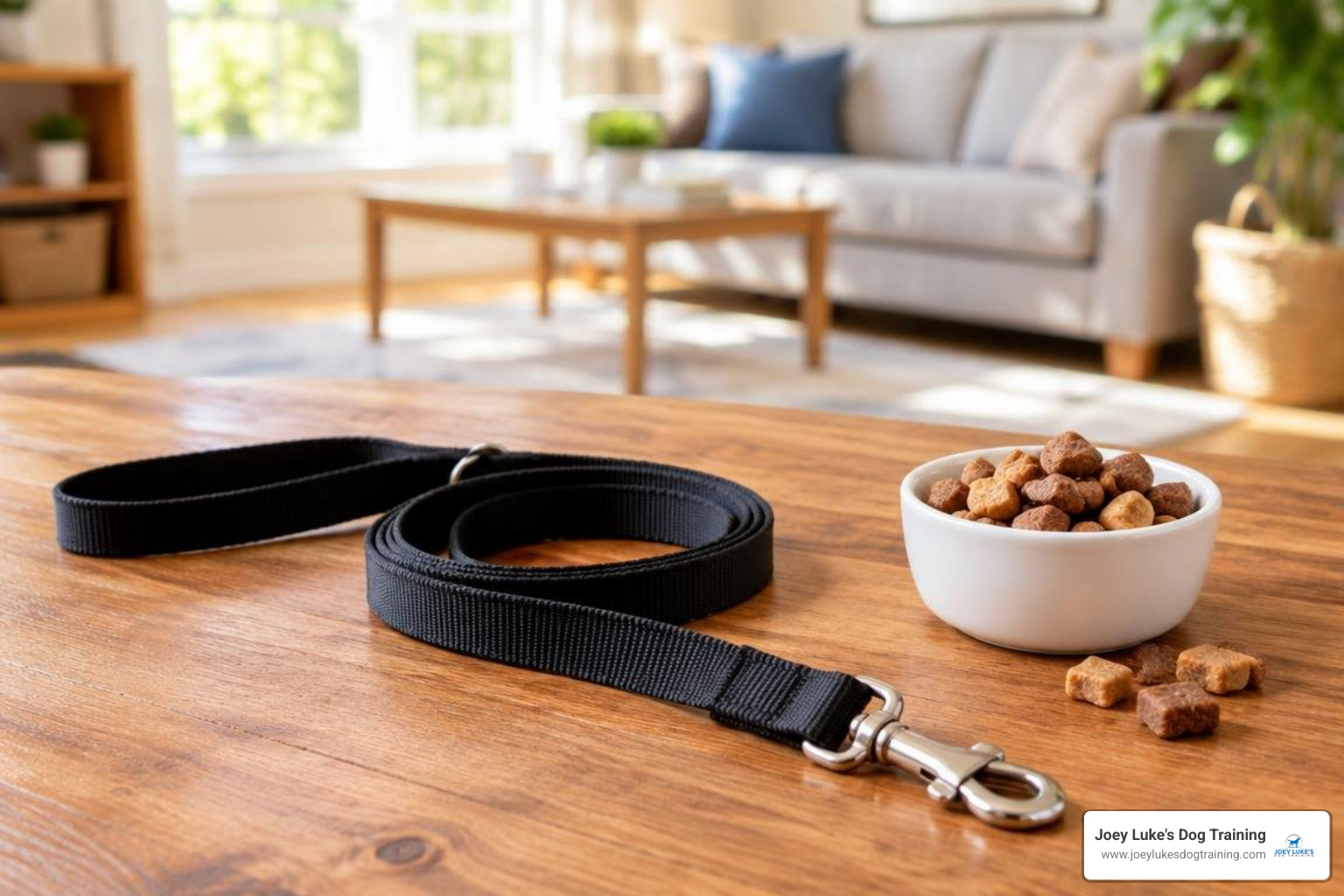
Showing up with the right gear makes your practice sessions infinitely smoother and more productive. Pack tiny, pea sized high value treats like cooked chicken, cheese, or freeze dried liver rather than crunchy dry biscuits. Other puppies are huge distractions, so you need rewards that instantly hold your dog's attention without filling their tummy too quickly.
A standard six foot nylon or leather leash paired with a flat collar or well fitted harness is ideal for learning. Retractable leashes cause tangled legs and teach dogs to pull against constant tension, so leave those at home. A hands free treat pouch lets you deliver rewards and mark good choices with crisp, clear timing.
What Should Your Puppy's Core Training Include?
A well rounded puppy curriculum covers essential manners that make everyday life with your dog enjoyable. Lessons start with name recognition, eye contact, and simple positions like sit and down. Teaching your pup to settle on a mat gives them a clear job while your family eats dinner or helps kids with homework.
Impulse control is another huge piece of the puzzle that prevents daily frustration. You can teach your stubborn dog to leave it and stay like a pro so dropped snacks or tempting trash cans stay completely safe. Foundational loose leash walking drills also ensure that neighborhood strolls don't turn into tug of war matches.
Most foundational courses run between five and eight weeks, meeting for fifty to sixty minutes each week. That timeframe gives you enough space to practice each skill at home between lessons without overwhelming your puppy's short attention span.
Why Puppy Certification Standards Still Matter
Structured benchmarks like early puppy certification programs from organizations like the American Kennel Club give owners clear goals to work toward each week. These assessments check basic obedience, polite leash manners, and the ability to focus with mild distractions present. They also confirm that your pup allows gentle handling, ear checks, and friendly exams from someone other than yourself.
Meeting these standards builds the groundwork for advanced manners and therapy dog certifications later down the road. Earning that early certificate feels great, but the real reward is living with a polite companion who handles real life outings with ease.
How Can You Find the Right Puppy Classes Near Me?
When you look into local puppy obedience training classes near me, keep class size at the top of your checklist. Group classes should cap attendance at five to eight dogs so the instructor can watch each team and give personalized feedback. A crowded room filled with ten or twelve unruly pups quickly turns into noise and chaos where nobody learns much.
Look for an instructor with real world behavior experience who understands how busy households operate. We use a balanced training approach tailored to each individual dog and family dynamic. Consequence based training can have a valid place when applied fairly, but incorrect use can cause long term harm, which is why working with an experienced professional matters so much. When electronic collars or other balanced tools are recommended, an experienced coach ensures they are introduced clearly, gently, and effectively.
| Training Format | Best For | Typical Time Commitment | Cost Range | Key Advantage |
|---|---|---|---|---|
| Group Classes | Basic cues and social neutrality | 5 to 8 weeks (1 hour/week) | $250 to $425 | Cost effective distraction practice |
| Private Lessons | Busy family schedules and specific home habits | 3 to 6 sessions (custom pace) | $150 to $200 per session | Tailored directly to your home routine |
| Board and Train | Fast, reliable results and busy travel seasons | 2 to 4 weeks immersive stay | $1,500 to $3,500+ | Intensive professional foundation |
No matter which format you choose, your puppy needs consistent daily practice at home. Spending five to ten minutes reinforcing cues during mealtime ensures the manners learned in class stick for good.
What Do Puppy Classes Near Me Usually Cost?
Standard group puppy courses in the local area generally range from $250 to $425 for a five to eight week series. These programs usually provide weekly sessions lasting fifty to sixty minutes, along with training handbooks or practice guides. Some facilities offer lesson bundles that combine group classes with an initial private lesson to help extra enthusiastic dogs get up to speed.
Always check makeup policies and instructor availability before enrolling in a set schedule. Life with kids and jobs gets unpredictable, so knowing your options for missed classes or extra questions gives you peace of mind.
What Red Flags Should You Watch For When Researching Puppy Classes Near Me?
Watch out for facilities with overcrowded training floors or dirty, unwashed surfaces. If a trainer lets off leash puppies run wild without assessing individual play styles, that lack of structure can trigger fear and leash reactivity. Programs should maintain clean floors and clear boundaries so every puppy feels secure.
Another red flag is a rigid, one size fits all mentality that ignores the unique needs of your dog and household. A busy family juggling school drop offs needs practical solutions that work in a bustling living room. If a group setting feels overwhelming, finding out why 1 on 1 private training beats group classes can help you decide if private coaching is the better fit.
Got Puppy Training Questions? Families Ask These All the Time
What age is best to start formal obedience training with my puppy?
Puppies can start learning foundation manners as early as eight to twelve weeks old. Their brains are ready to absorb simple household boundaries, crate routines, and name focus right away. Short, fun practice sessions that last just three to five minutes match their natural attention spans perfectly.
Formal group classes usually welcome pups around eight to ten weeks old once they have their first vet checks and vaccine boosters. Starting early lets you channel their natural curiosity into great habits before unwanted behaviors have a chance to begin.
What equipment should I pack for our first puppy training class?
Bring your puppy's up to date vaccination records and a copy of their negative fecal test. Pack a generous supply of soft, bite sized treats that your pup loves, kept handy in a treat pouch or easy access pocket.
Clip a standard six foot flat leash to a secure flat collar or harness. Avoid retractable leads or heavy chain leashes that distract your puppy. Bringing a small mat or towel gives your pup a designated spot to settle quietly between exercises.
Should I choose group classes, private lessons, or a board and train?
The right choice comes down to your schedule, your puppy's temperament, and your personal goals. Group classes offer a budget friendly way to practice focus around other dogs in a controlled room. However, they don't address specific home issues like counter surfing, crate crying, or chasing the cat.
Private lessons offer flexible scheduling that fits right into busy family routines, letting us work directly on your unique household setup. If you have upcoming family vacations on the calendar, a board and train lets you turn that boarding budget into lasting obedience results while you travel.
Give Your Pup the Foundation They Need
Raising a puppy while managing a busy household is full of moving parts, but you don't have to figure it out alone. At Joey Luke's Dog Training, we help families with children and dogs across Livonia and the surrounding Detroit suburbs turn puppy chaos into calm, dependable companionship. Through hands on coaching and practical routines, we make sure the skills your puppy learns translate smoothly into everyday family life.
Whether you need flexible private lessons that work around sports practices or an immersive board and train while you travel, we're here to support your goals. Explore our puppy training options today to give your pup the right start.
