Is Razor K-9 Private 1-on-1 Dog Training Right for Your Pup?
Is Private Training the Right Fit for Your Dog?
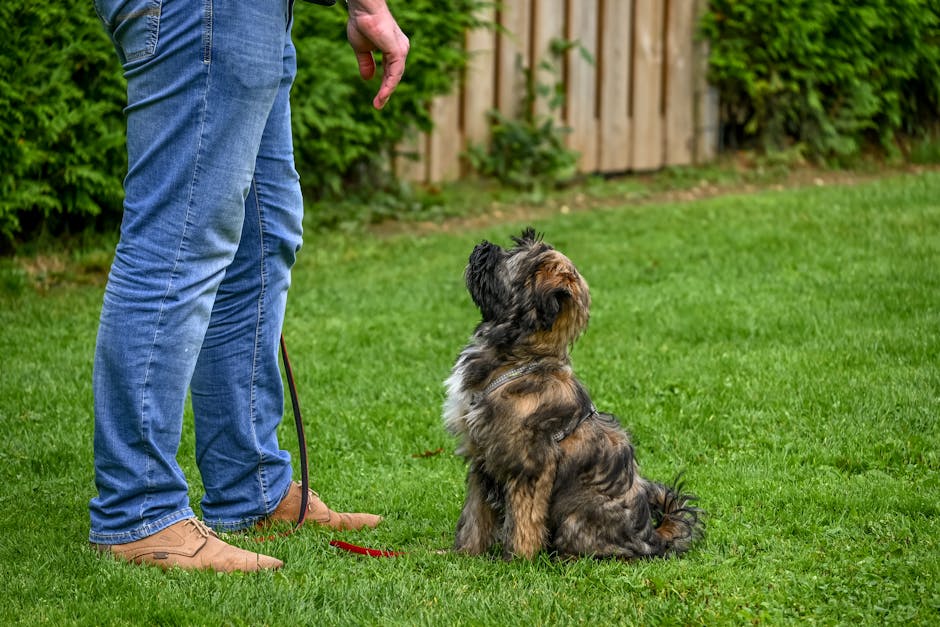
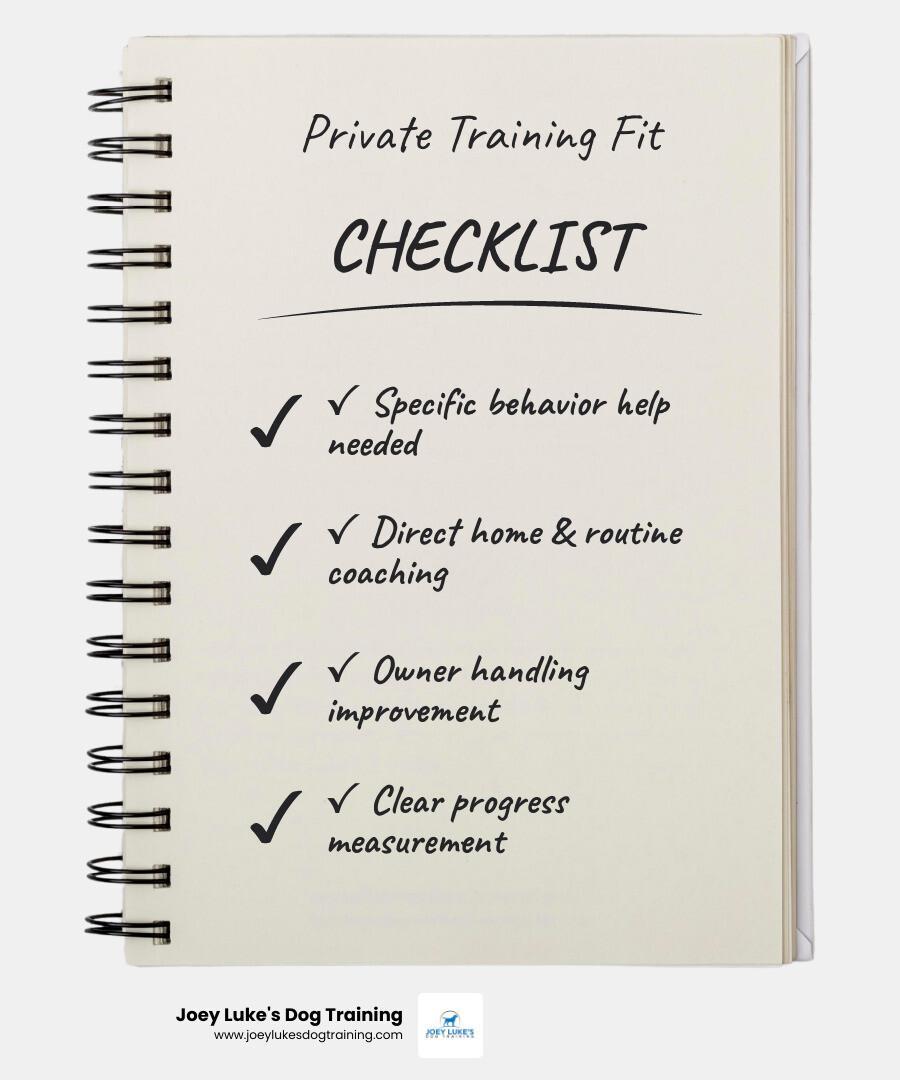
If you've been researching private 1 on 1 dog training or comparing local coaching options, private coaching is worth considering when your pup needs help with a specific behavior. You get direct coaching for your home, routine, and handling. Before you hire any private trainer, ask how they assess behavior, which tools they use, what practice you'll need to do, and how they'll measure progress.
Private sessions can focus on issues that group classes aren't designed to solve, including leash reactivity, jumping, overarousal, impulse control, and calm behavior around kids. Family training needs a plan that works during school mornings, walks, visitors, and everyday life, not a program built around rigid operational routines. Some families compare broad training programs with local coaching, but the real question is whether the approach gives you clear, practical skills you can use at home.
I'm Joey Johncox, and I've spent more than a decade helping rescue dogs and family dogs build better behavior foundations. My experience helps me look at private one on one dog training through the lens that matters most: whether the approach gives your family clear, practical skills you can use at home.
What Does Private One on One Dog Training Actually Look Like?
When you step into private sessions, the whole picture shifts from generic drills to your real life. Instead of standing in a crowded room trying to keep your pup from barking at six other dogs, you get hands on coaching tailored to your living room, your backyard, and your neighborhood sidewalks. This kind of private 1 on 1 dog training focuses directly on handler mechanics, teaching you how leash tension, body language, and timing change how your dog responds.
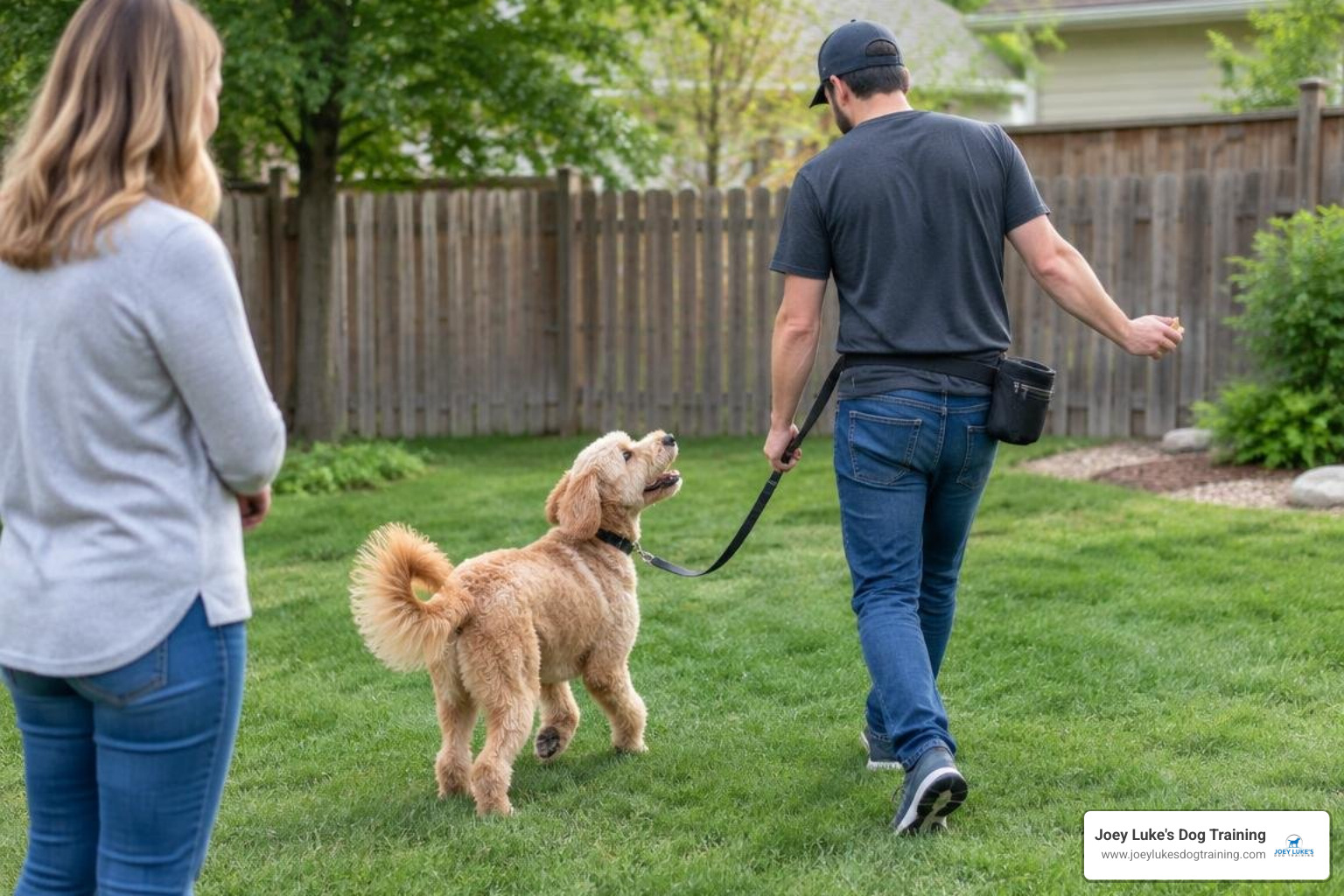
Every household has unique patterns, especially when kids are running through the kitchen or delivery drivers are ringing the doorbell. Through dedicated dog training lessons, we break down everyday chaos into manageable steps. You learn how to guide your dog through distractions without losing your cool or feeling overwhelmed.
Flexible scheduling makes private lessons an ideal choice for busy families who can't commit to rigid weeknight group schedules. You get real time feedback right away, allowing you to build reliable habits on your own schedule. That personal guidance helps you feel confident handling walks around local parks in Birmingham or Northville.
Why Some Dogs Do Better with One on One Help
Group classes can easily overwhelm sensitive dogs or push high energy pups straight into sensory overload. When an environment has too much commotion, your dog stops thinking and starts reacting out of frustration or stress. Individual sessions remove that pressure, letting your pup learn in a calm setting where they can actually process new information.
Working directly with an instructor allows for customized pacing that matches your dog's specific learning speed. If your dog masters a skill quickly, you move forward without waiting on twelve other people. When a concept needs extra practice, we take the time to refine it so your dog truly understands what's expected.
How Private Training Can Help with Tough Behaviors
Big behavior hurdles like lunging on walks, jumping on houseguests, and wild overarousal need targeted attention. These problems usually come from a lack of clear communication, poor impulse control, or lingering frustration on the leash. Working closely with an experienced canine trainer gives you a step by step path to interrupt unwanted habits and guide your dog toward calm alternatives.
Balanced training approaches create clarity by combining meaningful rewards with fair, easy to understand boundaries. Your dog learns that calm, attentive choices bring good things, while pushy or reactive behaviors are clearly addressed. That balanced structure removes confusion and builds steady confidence for both you and your pet.
How Can Structured Training Fit into Everyday Family Life?
Some training programs are built around strict operational routines meant for specialized working roles rather than everyday home life. Those rigid methods focus on very specific mission goals rather than helping a pet chill out under the dining room table during dinner. A family companion needs practical manners, reliable boundary control, and the ability to rest quietly while the kids play nearby.
Instead of drilling a dog for a single specialized job, we focus on the things that actually matter at home. That means teaching your dog to settle when the doorbell rings, to walk calmly past a neighbor's kids on bikes, and to listen even when there's a squirrel doing squirrel things in the yard. Clear communication and fair boundaries work just as well for a laid back family dog as they do for any high drive breed.
Creating reliable house manners starts with teaching your dog where they belong when the home gets busy. Practical cues like a reliable place command give your dog a clear job when guests arrive or during dinner prep. If you run into deep seated behavioral struggles, consulting a dog behaviorist helps untangle why the behavior is happening so you can restore peace at home.
Local families across Northville, Plymouth, and Livonia deal with real world distractions every day, from delivery vans to passing strollers. Teaching your pup how to disengage from those triggers keeps neighborhood walks enjoyable. Clear boundaries give your dog the freedom to be part of daily family life without creating constant chaos.
Could Your Dog Benefit from Individual Coaching for Their Specific Needs?
High drive breeds and working lines, like the Belgian Malinois, often struggle when they lack a clear mental outlet and distinct boundaries. Without structured guidance, that intense energy can quickly show up as pacing, destructive chewing, or intense leash reactivity. Giving these dogs a clear communication system allows them to channel their natural drives into focused, cooperative work.
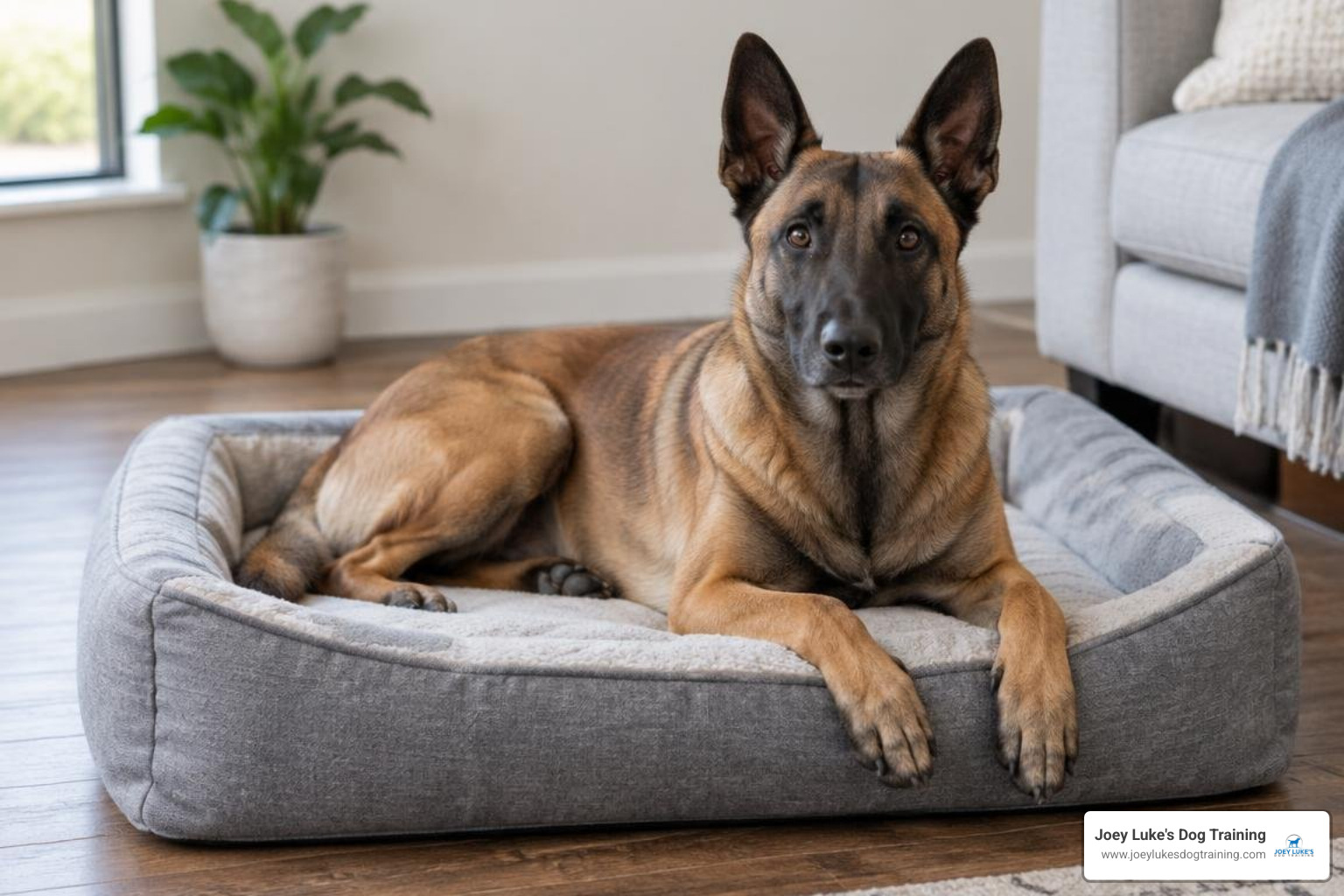
Environmental sensitivity is another common issue where individual attention makes a massive difference. When a dog feels anxious about new sounds, slick floors, or fast moving objects, tossing them into a busy group class can set them back. Understanding dog behavior and implementing simple dog training tips during private sessions lets you build their resilience gradually at a pace they can handle.
Tailored coaching helps you identify the exact moment your dog begins to cross from calm focus into overarousal. Once you can read those early signals, you can intervene before things get out of hand. Learning to guide your dog through moments of stress builds a deep bond of trust between you and your pet.
What Do Families Often Ask About High Drive Private Coaching?
How Quickly Can Private Coaching Help with Severe Reactivity?
Modifying reactive behavior takes consistent practice, realistic expectations, and proper threshold management. You can't fix leash reactivity in one session, but you'll often see noticeable improvements once you establish clear handling mechanics. Progress comes from avoiding overwhelming situations early on while gradually building your dog's tolerance around everyday triggers.
Celebrating small wins keeps you motivated as your dog learns to look to you instead of lunging. Over time, structured exposure teaches your pup that passing other dogs on the sidewalk is no big deal. Staying consistent with your daily practice turns those hard earned skills into lasting habits.
What Tools Are Typically Incorporated into Balanced Private Sessions?
Balanced training relies on a combination of clear rewards, structured leash work, and fair boundaries to communicate effectively. Consequence based training tools, such as electronic collars and prong collars, can have a valid place when you need clear, reliable communication around major distractions. Incorrect use of these tools can cause confusion or harm, so it's important to learn how to use them alongside an experienced professional who prioritizes fairness.
When balanced tools are introduced properly, they function like an extension of the leash that provides gentle guidance rather than harsh corrections. Pair that guidance with plenty of praise, food rewards, or play when your dog makes good choices. This dual approach creates a clear picture for your dog and makes everyday expectations much easier to follow.
Can Structured Training Concepts Work for Gentle Family Pets?
Absolutely. The core ideas behind high level training, such as clarity, fair boundaries, and structured communication, work wonderfully for everyday family companions. We don't turn your family golden retriever into a protection dog. Instead, we adapt those concepts to a relaxed family lifestyle focused on polite behavior at home and calm walks around the neighborhood.
Every dog benefits from knowing what's expected of them throughout the day. Clear rules eliminate the guesswork in social situations, which actually reduces stress for gentle pets. The end result is a dependable, well mannered companion who can comfortably join your family for everyday adventures.
Finding the Best Training Fit for Your Family
If you're raising a family in Northville, Novi, Farmington Hills, or surrounding areas, finding the right training path is all about building practical daily habits. Between school drop offs, sports practices, and busy weekends, you need a plan that works in the middle of real family life. At Joey Luke's Dog Training, we specialize in turning unpredictable, stressful pets into calm, well behaved family companions.
Private lessons give you personalized guidance that fits right into your family calendar. If your schedule is packed or you're planning summer travel, our board and train programs let you turn boarding costs into real behavior results while you're away. Explore our services to see how balanced training can help your dog become the polite companion your household needs.
