
Family Dog Obedience Training Starts With Clear, Simple Habits
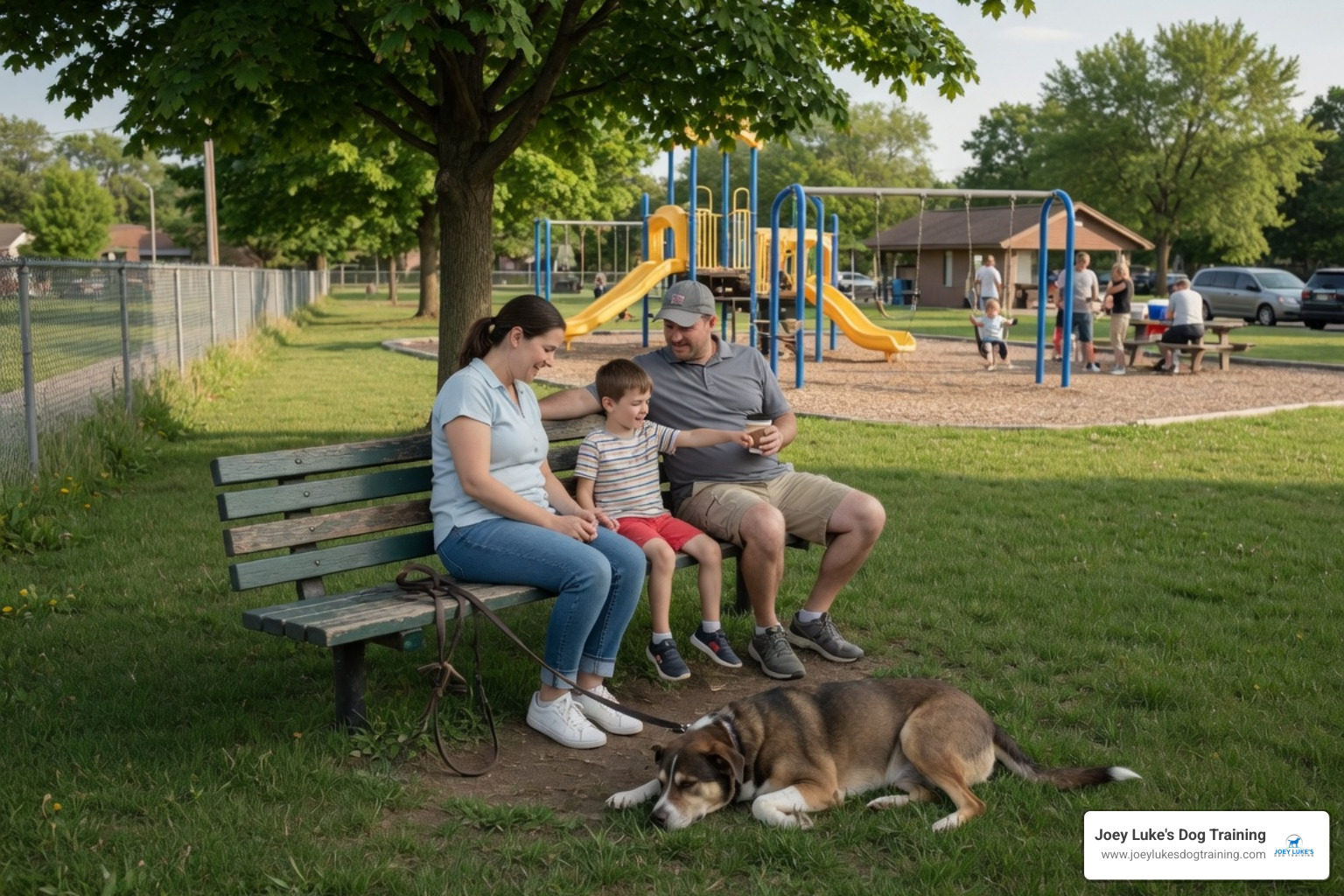
Family dog obedience training works best when everyone uses the same short cues, rewards the behavior they want, and practices for a few minutes every day. Start with sit, down, come, place, and leave it, then use those skills during real life: at the door, around meals, on walks, and when guests arrive. Keep sessions brief, end on a win, and don't expect your dog to understand the family group chat on day one.
A calm household isn't built with one long Saturday training session. It's built through clear rules, consistent follow-through, and fair feedback that matches your dog's temperament, energy, and distractions. Positive rewards matter, and a balanced approach can also include timely correction and, when appropriate, electronic collar guidance to create reliable communication.
Joey Luke's Dog Training serves families in Livonia, Michigan, and surrounding Detroit suburbs with private lessons and board-and-train programs designed for homes with kids and dogs. I'm Joey Johncox, and after more than a decade training rescue dogs and helping hundreds of owners, I've seen how practical family dog obedience training can turn daily chaos into a dog everyone can enjoy living with.
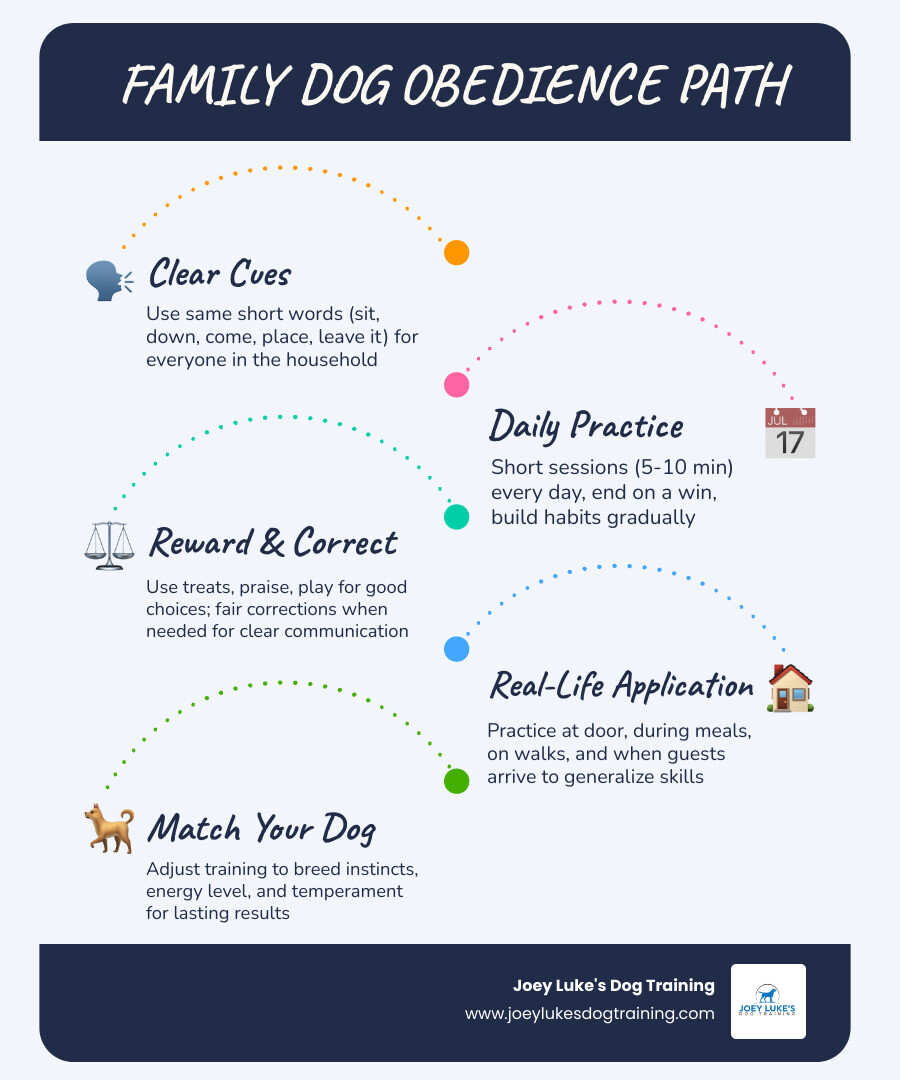
Getting Started With Family Dog Obedience Training at Home
Starting out at home begins with understanding who your dog actually is. Breeds bring distinct genetics into your living room. Herding breeds track rapid motion, retrievers carry everything in their mouths, and working terriers dig into high-arousal activities. Assessing your pup's natural drives prevents unrealistic expectations.
Reward-based motivation shapes new behaviors quickly. When teaching fresh skills, use food, praise, and play to show your pup what earns success. At the same time, young dogs need structure to thrive. By avoiding common puppy raising mistakes, you prevent minor quirks from turning into ingrained habits. Balanced training combines generous positive rewards for good choices with fair boundaries, giving your dog clear black-and-white guidance.
Laying the Groundwork With Clear Household Rules
Dogs love predictable routines. When house rules shift from day to day, confusion takes over and stress follows. Decide upfront where the dog sleeps, whether furniture access is permitted, and how meals are distributed.
Crate training provides an essential safe space while preventing destructive choices when supervision isn't possible. Integrating early puppy training into daily life establishes smooth bathroom schedules and calm resting periods. Boundary setting isn't restrictive; it gives your dog the security of knowing exactly what makes their humans happy.
Setting Up a Realistic Daily Routine for Your Pack

You don't need hours of open time to make massive training progress. Busy households run on packed schedules, so weave training directly into existing morning and evening routines. Three five-minute sessions scattered across the day beat a single exhausting hour every time.
Pair physical exercise with mental workouts. A fifteen-minute structured walk combined with impulse control burns more mental energy than mindless backyard sprinting. Deliver rewards the split second your dog performs a requested behavior. Precise timing helps dogs connect their actions directly with the payout.
Core Manners Every Household Pet Needs to Master
Marker words like "yes" or a clicker tell your dog the exact moment they made the right choice. Follow the marker with high-value food rewards like cut-up hot dogs or real meat during challenging drills. Incorporating practical dog training tips into everyday leash walks builds reliable impulse control without turning practice into a chore.
Essential Commands for Everyday Safety and Control
Every family dog needs five non-negotiable behaviors:
- Reliable Recall ("Come"): A safety lifeline that brings your dog back immediately, away from traffic or open gates.
- Sit-Stay: Teaches impulse control before meals, leash attachment, and doorway openings.
- Place Cue: Sends your dog to a designated mat or cot to relax calmly during family meals or chaotic moments.
- Doorway Manners ("Wait"): Stops reckless dashes into streets or driveways when exterior doors open.
- Emergency Drop ("Leave It / Drop It"): Prevents ingestion of dropped medication, chicken bones, or swallowed toys.
Managing Distractions and High-Energy Moments
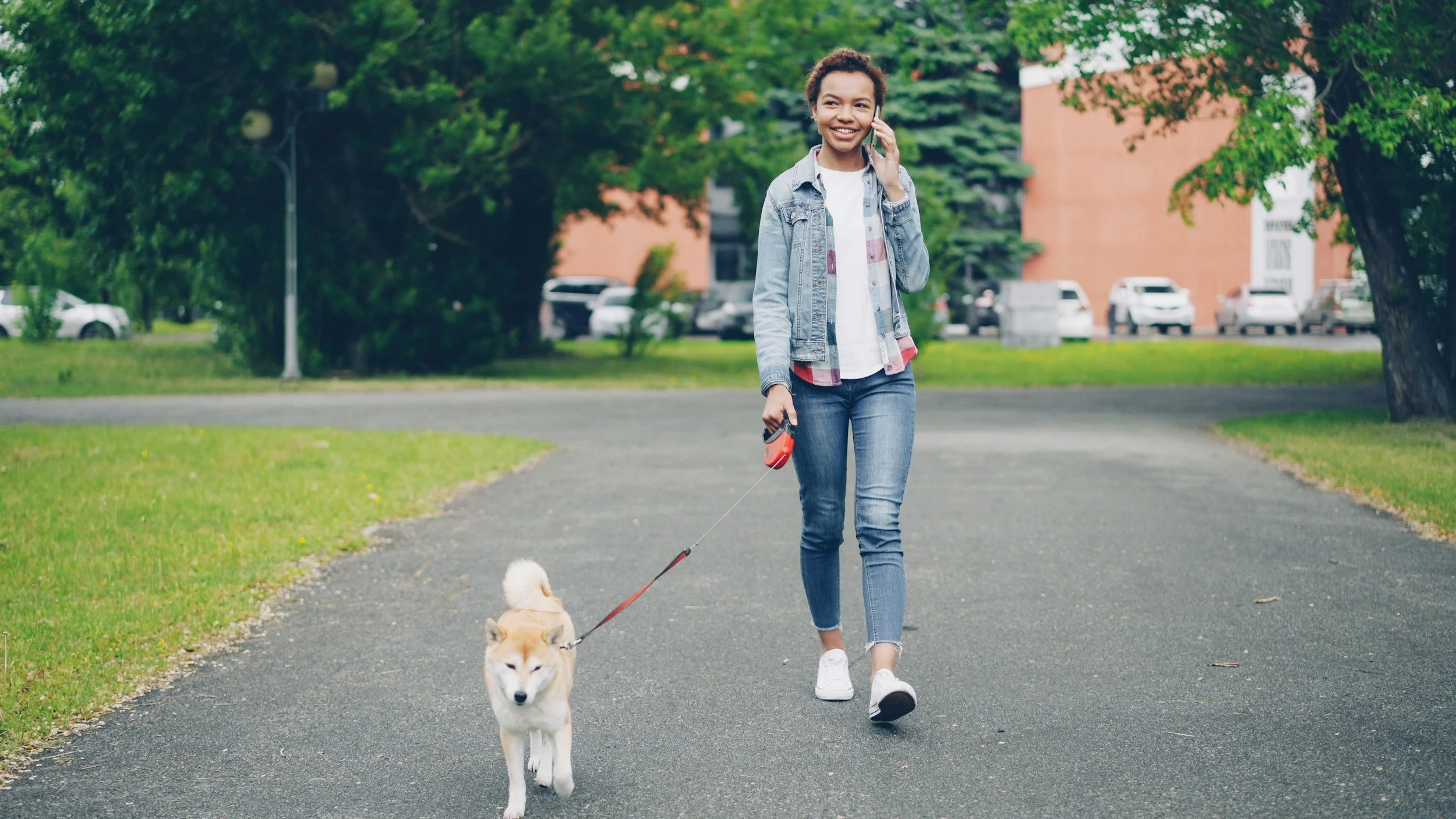
Training inside a quiet kitchen is easy. Taking those same commands out onto suburban sidewalks filled with squirrels and passing neighbors is where training gets tested. Build focus gradually by managing distance. If your dog loses focus at ten feet from a distraction, step back to twenty feet and re-engage.
Consequence-based training has a valid, effective place in establishing accountability when dogs intentionally blow past known safety commands. Incorrect use or amateur handling of correction tools can cause long-term harm, which is why working alongside an experienced professional ensures tools like electronic collars are introduced humanely, clearly, and fairly.
How to Involve Kids and Multiple Handlers Without Confusion
Children bring high energy and unpredictable movements that dogs naturally read as play signals. Supervise every interaction between young kids and dogs. Teach children that dogs aren't stuffed animals; they require personal space, especially while resting or eating.
Kid-Friendly Roles in Family Dog Obedience Training
Kids love being helpful when given clear, age-appropriate jobs. Younger children can hide treats around the living room for scent games or toss kibble when the dog offers a calm sit. Older kids can practice formal sit, down, and paw commands under direct adult supervision. These micro-sessions build mutual respect while boosting your child's confidence around pets.
Keeping Word Cues and Consequences Consistent
Dogs don't speak English; they recognize specific sound patterns and physical body cues. If one parent says "down" for lying flat, a child says "down" to stop jumping, and another relative yells "off," the dog gets confused. Pick one universal cue for each action. Post a cheat sheet on the fridge so the entire household uses identical verbal cues, hand signals, and reward markers.
Solving the Most Frustrating Daily Behavior Problems
Daily household friction usually comes down to opportunistic mischief like counter surfing, door dashing, or nuisance barking. Removing access is step one. Push food back from counter edges, keep gates near exterior doors, and consider establishing clear furniture boundaries so your living room stays relaxing for everyone.
Stopping Destructive Chewing and Jumping on Guests
Dogs jump because human faces are exciting and greeting upright feels natural to them. When guests arrive, place your dog on a leash to prevent self-reinforcing leaps. Step on the leash with enough slack for a sit, but not enough to jump.
Redirect natural chewing instincts toward durable rubber toys stuffed with frozen wet food. If your dog targets furniture or shoes, interrupt the behavior immediately with a firm verbal correction and replace the contraband with an approved chew.
Addressing Overexcitement and Reactivity Around Visitors
The doorbell shouldn't trigger chaos. Teach your dog that the doorbell is a cue to go straight to their "place" cot rather than rushing the entryway. Build this habit without guests present first. Ring the chime, guide the pup to place, and reward them for staying settled. Desensitize the sound by ringing it randomly throughout the week until the novelty disappears completely.
Knowing When It Is Time for Professional Support
Some behavioral hurdles need expert eyes. If your dog displays genuine aggression, resource guarding over food or toys, severe separation distress, or intense leash reactivity, DIY fixes can inadvertently make things worse. Professional trainers pinpoint underlying triggers and set up controlled setups for safe progress.
Choosing the Best Program for Family Dog Obedience Training
Look for professional trainers who understand the realities of family dynamics. Balanced training programs evaluate your dog's specific temperament rather than forcing a one-size-fits-all mold. While some pet owners look into structured obedience classes for dogs, high-distraction group environments can occasionally overwhelm reactive dogs before foundational skills take root.
Comparing Private In-Home Lessons and Board and Train Options
Private in-home lessons fit busy family schedules far better than rigid weekly group classes, letting you work on problem areas right where they happen. If you already have upcoming summer vacation travel planned, reallocating your standard boarding budget toward an immersive board and train program gives you comprehensive habit building while you're away. Exploring customized dog training lessons lets you pick the exact learning pathway that matches your household's routine and goals.
Frequently Asked Questions About Family Dog Obedience
How long does it take to fully obedience train a family dog?
Basic manners take roughly six to eight weeks of consistent daily practice. True reliability around heavy neighborhood distractions usually develops over four to six months as your dog matures and practices across varied environments.
Can young children participate in dog training sessions safely?
Yes, as long as an adult closely supervises the session. Children should practice simple obedience commands with calm dogs on leash, using flat-palm treat deliveries to prevent accidental nips.
How do balanced training techniques help busy households?
Balanced techniques pair clear rewards with fair, timely boundaries. This direct clarity speeds up comprehension, helping dogs understand expectations quickly so families spend less time managing chaos and more time enjoying their pet.
Transforming Your Household Companion
Living with an untrained dog brings daily stress, but establishing clear communication changes everything. Joey Luke's Dog Training serves families in Livonia, Michigan and surrounding Detroit suburbs, specializing in households with children and dogs. Through board and train programs and private lessons, our balanced training approach—including professional electronic collar conditioning when appropriate—creates well-mannered pets that fit seamlessly into family life. Check out our comprehensive pet training services to start building lasting peace and reliability in your home today.
