
When Doggy Daycare and Training Work Together and When They Clash
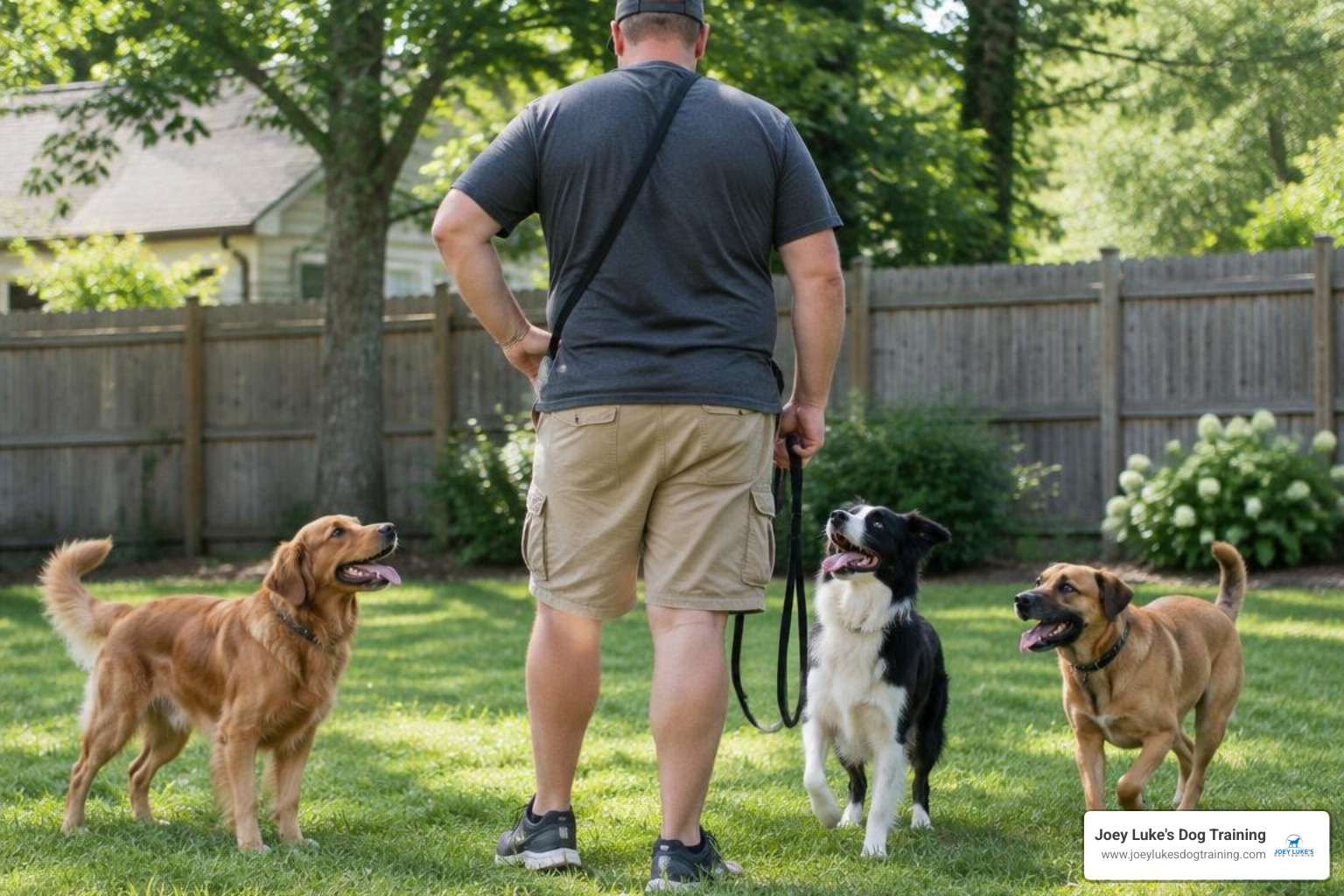
Dropping your pup off for a full day of social fun seems like the ultimate life hack for busy households. Your dog burns off extra fuel with friends, and you get quiet work hours without chew toys flying past your laptop. Pairing day camp with structured guidance gives young pets solid social exposure while preserving basic household rules. Exploring puppy play groups and day camps can provide healthy social foundations when managed correctly.
Problems happen when daycare turns into an unmonitored free for all. High arousal environments often teach dogs that every four legged creature within eyesight requires immediate, chaotic wrestling. That mindset spills over into your evening neighborhood strolls in Plymouth or Northville, turning a polite heel into wild leash pulling. Balancing social freedom with impulse control ensures your dog stays polite around other animals.
Why Tired Doesn't Always Mean Well Behaved
A dog dragging their paws across the floor after daycare isn't necessarily a well trained dog. Pure exhaustion often masks high stress, and constantly spiking cortisol levels makes it harder for dogs to settle down independently. When dogs spend eight straight hours running on adrenaline, their brains stay in overdrive long after you bring them home.
Physical fatigue wears off after a short nap, but frantic habits stick around. Without taught calm behaviors, dogs develop barrier frustration, constant pacing, and snappy reactions around family members. Real behavior balance means your dog can switch off their motor and relax calmly in the middle of kid chaos.
How Can Training Alongside Daycare Help Your Dog Progress?
Combining structured lessons with daycare days bridges the gap between raw social play and reliable obedience. Day schools and enrichment programs reinforce everyday manners by asking dogs to sit at gates, wait for food bowls, and ignore passing distractions. Practicing obedience inside distracting social hubs makes cues significantly more dependable in daily life.
A balanced trainer uses clear communication to teach dogs accountability in high distraction environments. When trainers pair clear praise with fair boundary corrections, dogs learn to respect instructions even during exciting play days. This deliberate approach transforms social excitement into dependable impulse control around town.
Is Play and Train or Board and Train a Better Fit?
Day programs offer great daytime relief, but they require you to do heavy daily homework each evening. If your calendar is packed with kids sports and school pickups, an immersion stay gives you massive results without the daily juggling act. Reviewing the truth about board and trains for dogs helps demystify how residential training builds lasting habits.
Summer travel planning offers the perfect chance to align your boarding budget with immersive obedience goals. Instead of paying a standard boarding fee while you head up north, an intensive camp transforms problem behaviors into reliable companion habits.
| Program Option | Daily Structure | Typical Skill Focus | Best Household Match |
|---|---|---|---|
| Standard Daycare | Continuous social play | Basic playgroup manners | Social dogs needing simple exercise |
| Play and Train | Daycare plus trainer sessions | Leash manners and basic recall | Busy owners who can practice nightly |
| Board and Train | Full residential immersion | Complete obedience and impulse control | Families needing fast, lasting behavior shifts |
What Might Your Dog's Day at Daycare Look Like?
A quality daycare operates on a structured schedule designed to balance high excitement with quiet downtime. Morning dropoffs flow into organized playgroups, followed by mid day naps that prevent overtired temper tantrums. Finding reputable pet care facilities in Canton requires looking for centers that prioritize safety and daily structure.
How Can Play, Puzzles, and Rest Shape the Day?
Great facilities don't just let dogs run laps until they drop. They introduce brain games, scent puzzles, and structured agility obstacles that work a dog's mind without overtaxing their joints. Mental workouts drain excess energy faster and more peacefully than hours of endless chasing.
Rest breaks are just as vital as physical play sessions. Dogs receive private, quiet spaces during the lunch hour to decompress away from the sight and sound of other animals. This predictable rhythm mirrors a peaceful home routine and keeps stress levels low.
Does Your Dog Need Crate Free Play or a Rest Break?
Crate free facilities sound luxurious, but all day open play often leads to severe sensory overload. Dogs are natural den animals that require twelve to fourteen hours of quality sleep daily to regulate their emotions. Without mandatory rest periods, minor irritations escalate quickly into defensive squabbles among tired dogs.
Structured crate breaks give dogs a safe, quiet haven to recharge their batteries completely. A secure crate prevents resource disputes and ensures every dog actually sleeps rather than staying on high alert. Safe rest cycles keep playgroups friendly, relaxed, and safe.
What Health Rules Should a Daycare Have?
Top facilities enforce strict veterinary standards to keep communicable bugs from spreading through the pack. Every dog must show proof of core vaccines including DHPP, rabies, canine influenza, and bordetella before stepping foot into play areas. Regular fecal tests and flea prevention requirements protect every visitor from easily preventable parasites.
Sanitation routines must be aggressive, non toxic, and consistent throughout the day. High traffic turf and rubber floors need daily hospital grade disinfection to wipe out bacteria and viruses. Clean air exchange systems also keep respiratory bugs from circulating between play rooms.
How Can You Tell If a Daycare Puts Safety First?
A shiny lobby means nothing if the play yards lack proper oversight and strict protocols. Looking through safe boarding options for your puppy will highlight the importance of physical safety barriers and proper supervision. Look for solid double gate entries, secure fencing, and clean, slip resistant flooring.
How Should a Daycare Match Dogs for Play?
Safe facilities never toss every arriving dog into one giant chaotic room. They conduct thorough temper evaluations, separating dogs based on physical size, maturity, and play styles. A gentle senior dog should never have to fend off a rowdy teenage pup who plays like a runaway train.
Playstyle grouping prevents accidental injuries and keeps social interactions positive for everyone involved. Fast runners get paired together, while gentle wrestlers enjoy their own dedicated corner. Staff monitor these interactions closely to adjust group rosters whenever energy levels shift.
What Should Staff Know About Dog Body Language?
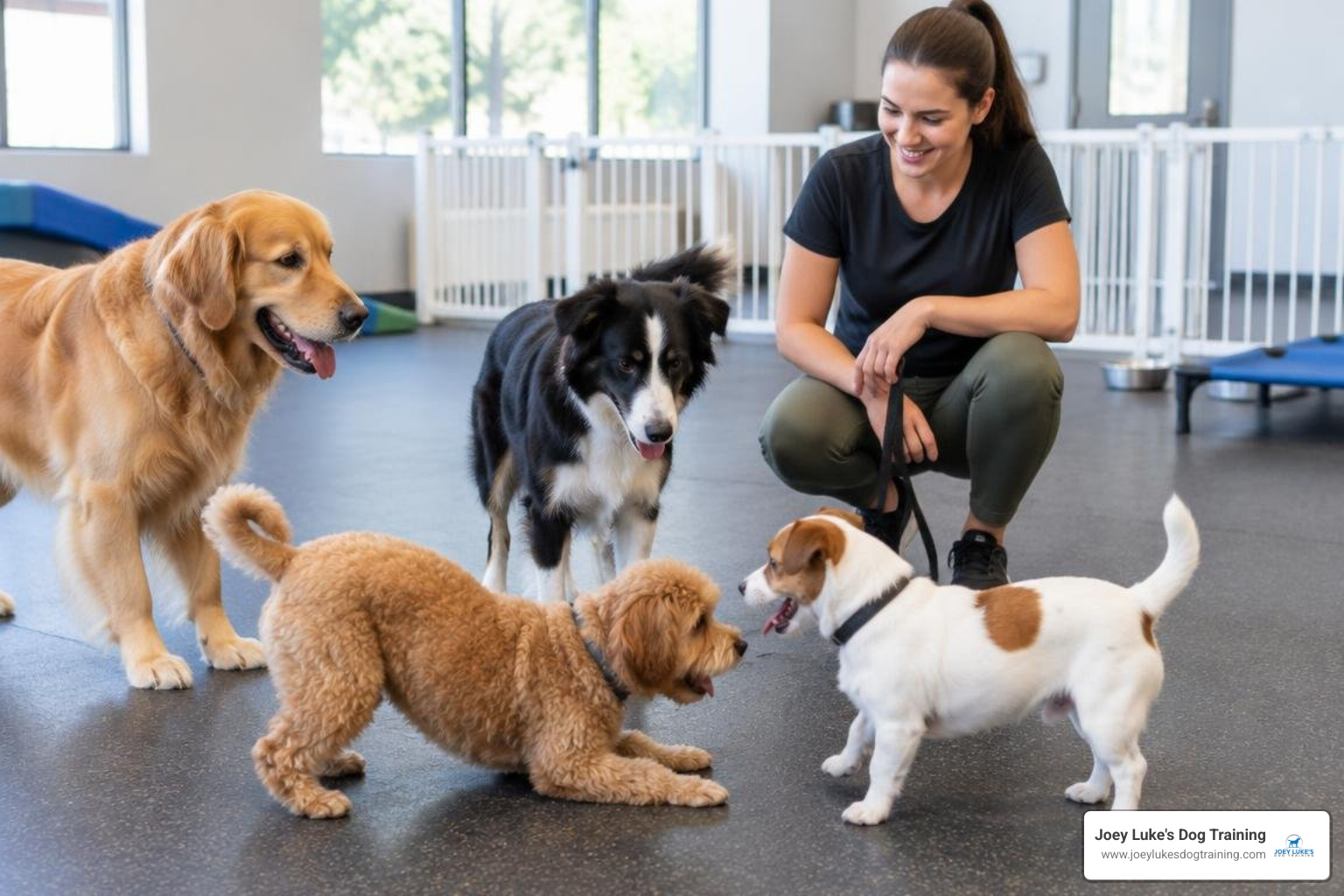
Daycare attendants must understand subtle canine stress signals long before a fight breaks out. Staff members should instantly spot stiff postures, lip licks, whale eye, and tense body language across the room. Catching these tiny warning signs allows attendants to redirect dogs before minor tension turns into an ugly scuffle.
Quality facilities maintain low dog to staff ratios and require pet first aid certification for all employees. Handlers carry slip leads, air horns, and pet safe deterrent sprays to split up unexpected altercations safely. Constant, active human leadership keeps the entire pack calm and respectful.
Is Your Dog Happy at Daycare or Overwhelmed?
Your dog's behavior at morning dropoff tells you everything you need to know about their experience. A happy dog walks in with a loose, wagging tail and steps willingly toward the staff. If your dog balks at the door, cowers behind your legs, or shakes during car rides, daycare is causing distress.
Watch for behavioral changes at home after daycare visits as well. If your dog starts guarding toys, barking frantically at neighborhood dogs, or snapping when touched, they're overwhelmed. Daycare should build social ease, not create new fears or defensive behaviors.
Which Daycare or Training Program Fits Your Dog?
Every dog brings a unique personality, genetic background, and tolerance level to group settings. Picking the right combination of day play, private lessons, or residential immersion depends on your dog's specific temperament and your family goals.
How Can You Balance Daycare and Training?
A smart weekly schedule blends social fun with clear obedience expectations. You might book daycare two days a week for exercise, while reserving other days for structured leash walks and private training lessons. Using balanced training tools, like electronic collars, gives you dependable off leash control and clear communication during family adventures.
For busy families juggling sports practices and tight work deadlines, private lessons provide a flexible alternative to rigid group classes. We work directly with you and your kids at home, tailoring real world drills to your exact schedule and daily chaos.
What About Puppies, Reactive Dogs, and Seniors?
Puppies need short, positive social interactions rather than all day play marathons. If you're dealing with barking or lunging on walks, reviewing options for managing reactive dogs explains why throwing an anxious dog into open daycare often backfires. Reactive dogs need structured counter conditioning, not chaotic playgroups that overwhelm their coping skills.
Senior dogs and pups recovering from injuries need quiet spaces with padded bedding and gentle companionship. For young dogs needing solid manners without bad habits, structured residential puppy training builds rock solid foundations early on.
What Do Daycare and Training Programs Cost?
Daycare pricing varies based on location, staff qualifications, and enrichment options. Full day daycare generally ranges between thirty and fifty dollars, with multi day packages offering discounted rates. Adding custom training sessions or door to door shuttle transport will increase your daily investment.
Comprehensive training programs require a larger upfront investment but deliver permanent lifestyle changes. Private coaching lessons typically cost between one hundred and two hundred dollars per session. Full immersion board and train programs range from fifteen hundred to several thousand dollars, providing complete behavior overhauls and lifetime reliability.
What Do Dog Owners Want to Know About Daycare and Training?
Navigating pet care options brings up plenty of practical questions about daily routines, problem behaviors, and logistics.
Can Daycare Help With Separation Anxiety or Barking?
Daycare provides temporary relief by keeping your dog supervised while you run errands, but it doesn't fix separation distress. Dogs with separation anxiety struggle with isolation, and exhausting them around other dogs avoids the core emotional issue. Real improvement requires systematic desensitization and crate confidence training at home.
Excessive barking and destructive chewing often stem from boredom, which daycare helps alleviate short term. However, without clear rules and impulse control training, dogs simply learn to chew and bark when they return home. True behavioral transformation requires combining physical outlets with balanced training boundaries.
What Should You Bring for Your Dog's First Day?
Pack a flat collar or quick release collar with clearly legible identification tags. Bring your dog's lunch or treats pre portioned in sealed, labeled containers to prevent tummy troubles during scheduled midday meal breaks.
Hand over up to date veterinary records showing all required vaccinations before arriving for your evaluation. Avoid bringing personal plush toys or prized blankets, as other dogs might trigger resource disputes over personal items.
How Is Daycare Different From Boarding?
Daycare focuses purely on daytime play, social interaction, and energy management between morning and evening pickups. Boarding provides overnight lodging, evening meals, and secure sleeping quarters for dogs while owners are away on vacation. Many premier facilities offer both services, allowing boarding dogs to participate in daily playgroups before resting overnight.
Build the Perfect Routine for Your Family Companion
Finding the right balance between social fun and clear obedience transforms your chaotic household into a peaceful sanctuary. At Joey Luke's Dog Training, we specialize in helping families across Livonia, Birmingham, Novi, and the Detroit suburbs enjoy life with their dogs. Whether you need flexible private lessons that fit around school schedules or an immersive board and train stay while you travel, we deliver dependable results. Explore our comprehensive puppy training and board and train programs to turn your unruly pup into the calm, well mannered companion your whole family loves.
