
The Ultimate Guide to Puppy Kindergarten Near You in Livonia
Why Early Socialization Shapes Your Puppy for Life
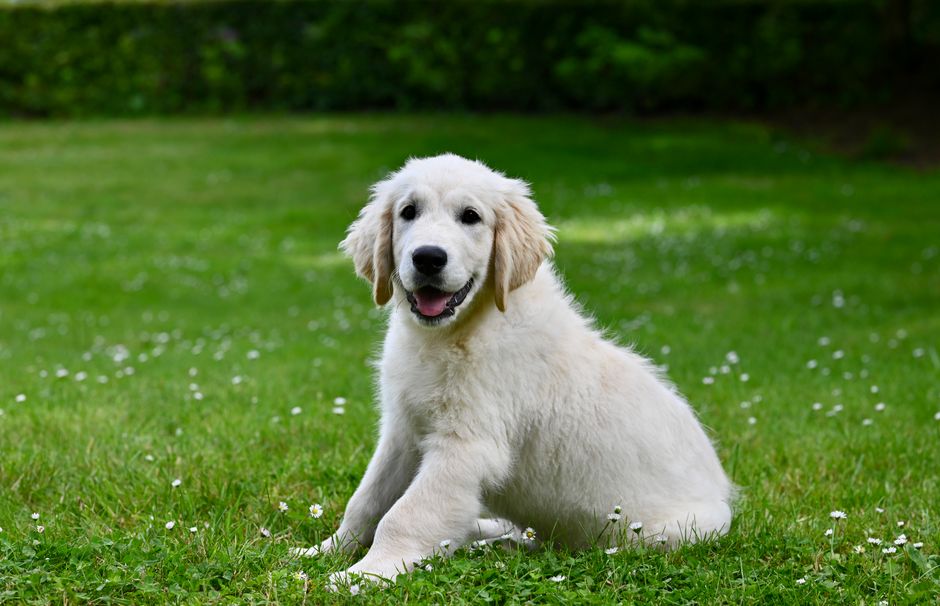
Puppy kindergarten provides structured socialization, foundational cues, and bite inhibition training for puppies typically between 12 and 16 weeks of age. Enrolling during this developmental timeframe introduces young dogs to novel sights, sounds, and gentle handling in a controlled setting while building essential household manners.
The primary socialization window begins to close around 20 to 28 weeks of age. During this brief timeframe, your pup forms foundational opinions about the world. They decide what is safe, what is neutral, and what requires a defensive reaction. Waiting until eight or nine months to expose your dog to varied sights, sounds, and textures often leads to unnecessary hurdles later.
Early education helps you teach bite inhibition and proper sound desensitization before bad habits solidify. Running the vacuum cleaner, dropping a metal spoon in the kitchen, or walking past a bustling construction site shouldn't trigger an emotional meltdown.
Early body handling is equally critical. You want your dog comfortable with human hands gently inspecting their ears, checking their paws, touching their tail, and opening their mouth. This groundwork pays huge dividends during routine veterinary checkups and grooming appointments down the road.
The AVSAB Position Statement on Puppy Socialization emphasizes that behavior issues, not infectious diseases, are the number one cause of death for dogs under three years of age. Veterinary behaviorists strongly recommend starting structured classes before pups complete their entire shot series, provided basic health protocols are followed. Building early confidence through The Ultimate Guide to Puppy Obedience Training Near You sets a calm baseline for your dog's adult life.
Preventing Fear and Future Behavioral Issues
Unaddressed fear in young dogs rarely vanishes on its own. It often manifests as leash reactivity, excessive barking, or defensive aggression once the dog hits physical maturity.
A timid puppy backing away from a novel umbrella or an unfamiliar cardboard box is giving you valuable real-time feedback. Instead of coddling them or forcing them to touch the item, let them observe at a comfortable distance while rewarding calm engagement.
Exposure isn't about throwing your dog into chaotic environments. True socialization is about teaching your pup that novel sights and sounds are entirely neutral.
Avoid the common pitfall of overstimulating your dog in noisy public spaces before they possess the coping skills to handle it. You can dodge several frequent headaches by reviewing 3 Mistakes Families Make When Raising a Puppy and How to Avoid Them. A steady, measured approach keeps stress low and builds reliable, long-term optimism.
Key Foundation Skills Taught in Class
Puppy kindergarten goes far beyond casual playtime. A structured curriculum instills vital functional skills that make living with your dog enjoyable:
- Impulse Control: Teaching your pup that patience, not wild lunging, unlocks food, toys, and access to the yard.
- Reliable Recall Foundations: Building an enthusiastic response to their name and a solid "come" cue using high-value rewards.
- Polite Greetings: Preventing jumpy, chaotic greetings when guests walk through the front door or neighbors stop on the sidewalk.
- Sit, Down, and Place: Establishing baseline stationary cues so your pup learns how to settle on an elevated bed while the family eats dinner.
- Leave It and Drop It: Vital safety cues that keep your pup from swallowing dropped chicken bones, socks, or children's toys.
- Loose Leash Walking: Introducing proper leash pressure and engagement so neighborhood strolls don't turn into daily arm-pulling workouts.
Mastering these behaviors early provides a smooth transition when you advance to comprehensive Puppy Training as your dog grows.
How to Choose the Right Puppy Kindergarten Near Me in Livonia
Finding the ideal local program requires looking past flashy social media pages. You need an environment that prioritizes your pup's physical health, emotional well-being, and long-term manners.
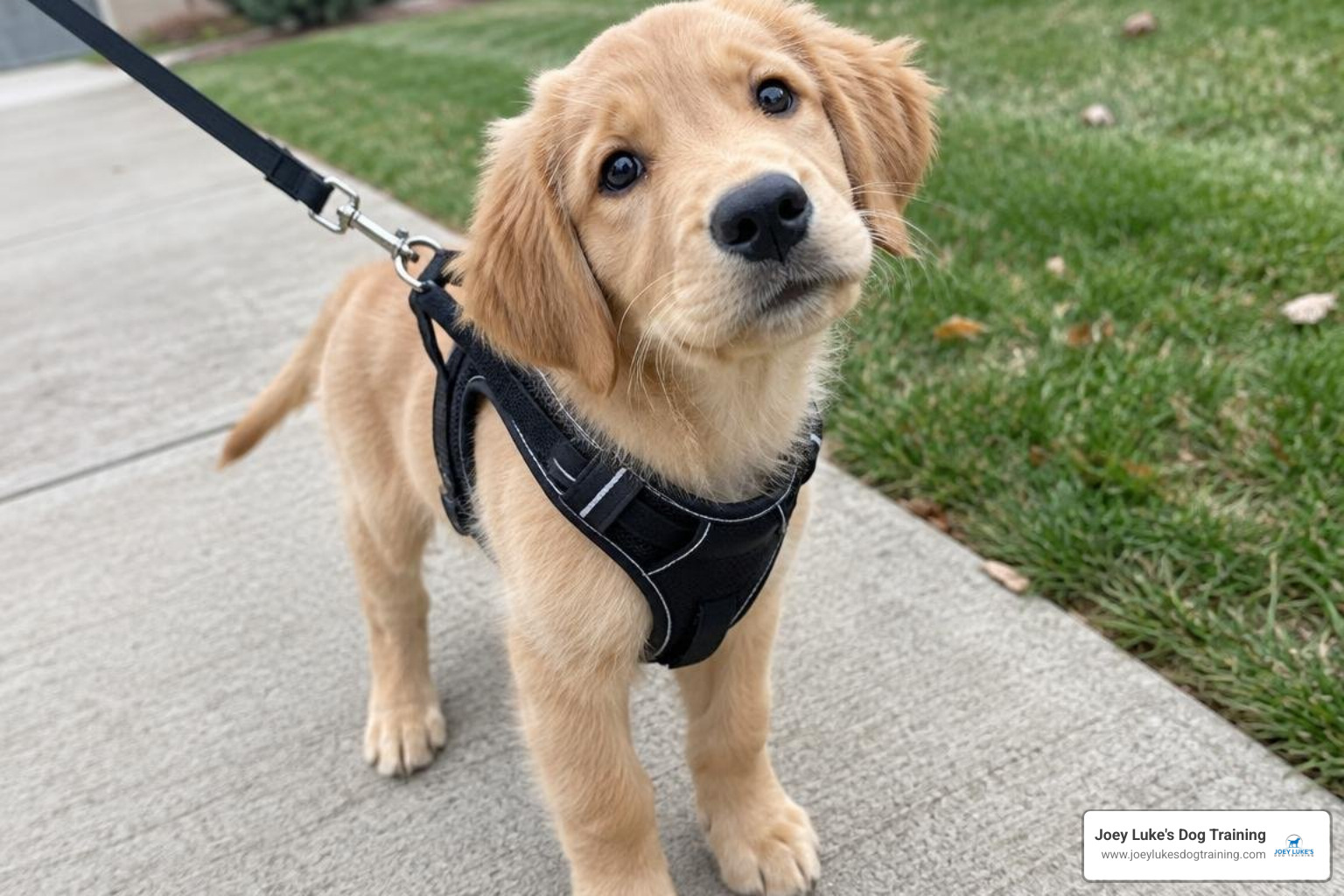
A quality training facility maintains strict sanitation routines, requires proof of age-appropriate vaccinations, and keeps class sizes manageable. When classes pack fifteen energetic puppies into a tiny room, chaos inevitably takes over. Smaller groups of four to six pups allow the instructor to give hands-on feedback to every owner.
Take a close look at how the trainer approaches young dogs. You want an instructor who clearly explains canine body language and helps you navigate real-world challenges. For active households juggling busy schedules, our insights on Got a Wild Summer Puppy? How Socialization Can Save Your Sanity can help you keep training momentum going without overwhelming your routine.
What to Look for When Searching for Puppy Kindergarten Near Me
When searching for a local puppy class, look for a structured curriculum that balances foundational manners with controlled environmental exposure. The best programs teach you how to handle real-life family scenarios, including nipping, crate routines, and boundary control around children.
To figure out whether group classes or tailored private sessions make the most sense for your household, consider how each format fits your daily life:
| Feature | Group Puppy Kindergarten | Private Puppy Training |
|---|---|---|
| Primary Focus | Distraction training, novel environment exposure, baseline cues | Specific home problems, family dynamics, custom routines |
| Pace of Learning | Set group curriculum across a fixed 6-week schedule | Flexible, progressing as quickly as you and your pup master skills |
| Location | Training facility or dedicated indoor center | In your home, around your neighborhood, or at local parks |
| Schedule Flexibility | Fixed recurring weekly time slot | Scheduled around your family's personal calendar |
| Best Suited For | Building focus around other puppies and general socialization | Busy family schedules, multi-pet issues, and targeted problem solving |
Supervised Play Versus Distracted Focus
Many owners assume puppy class is an open free-for-all wrestling match. That is a quick recipe for developing an overstimulated dog who thinks every canine on the planet is their personal playmate.
Unstructured mosh pits can turn bold puppies into pushy bullies and cause timid puppies to become defensively reactive. Play should be brief, strictly supervised, and matched carefully by size, play style, and energy level.
Puppy play groups are generally limited to puppies between 8 and 14 weeks old. Once dogs cross the 14-week mark, size disparities widen dramatically and hormonal changes shift play dynamics.
Teaching your pup how to disengage from play and offer focus back to you amid heavy distractions is the real superpower. For deeper strategies on managing puppy energy constructively, check out our guide on Tired Pups Are Well-Behaved Pups: Best Puppy Play Groups and Day Camps.
What to Expect During a Typical Class Session
A well-run puppy kindergarten class follows a predictable, organized structure designed to keep short attention spans engaged without tipping into exhaustion.
Most sessions run for approximately 45 to 60 minutes. They usually open with a quick check-in where the trainer answers individual homework questions about crate crying, house soiling, or puppy biting.
From there, the class moves into interactive training drills. You will work on luring, marking, and rewarding foundational behaviors like sits, downs, and leash mechanics. The instructor will walk you through novel exposure drills—introducing strange textures like metal grates, wobbly boards, or crinkly tarps paired with tasty treats.
You will wrap up with a calm handling exercise and clear homework instructions to practice at home during meal times. Establishing consistent domestic routines between classes is essential, especially when refining your The Ultimate No-Stress Guide to Puppy House Training.
Sanitization and Safety Protocols in Class
Young puppies do not have fully matured immune systems, which makes professional cleanliness non-negotiable. Reputable training centers employ strict safety measures to keep your dog healthy:
- Vaccine Verification: Every puppy must show veterinary proof of at least their first round of core vaccines (DHPP) and Bordetella administered at least 7 days prior to their first class.
- Hospital-Grade Disinfection: Floors and equipment are scrubbed with veterinary-grade disinfectants before and after every single puppy group.
- Sanitary Flooring: Classes run on clean, non-porous rubber matting or sanitized indoor surfaces rather than public grass where unknown dogs eliminate.
- Visual Health Checks: Instructors screen for lethargy, runny eyes, coughing, or gastrointestinal issues before allowing pups into the training area.
Combining Group Learning with Private Lessons
While group classes excel at teaching your pup how to concentrate in distracting settings, they cannot address every unique quirk inside your home.
Private lessons bridge this gap beautifully. They allow a trainer to step right into your living room to evaluate counter surfing, doorway darting, and how your kids interact with the dog.
Busy families often find private lessons significantly easier to manage than rigid weeknight group schedules. Working one-on-one gives you personalized feedback on reading subtle canine body language. Being able to decode your dog's signals is a game changer, as outlined in our breakdown on What Your Puppy Is Trying to Tell You.
Frequently Asked Questions About Puppy Kindergarten
When Should My Puppy Start Attending Classes?
Puppies should start kindergarten between 8 and 14 weeks of age.
As long as your pup received their initial round of vaccinations at least seven days prior, you can safely begin. Starting early lets you take full advantage of the primary socialization window before it closes around 12 to 14 weeks.
Waiting until four or five months means you miss the most effortless learning phase of your dog's life.
What Vaccinations Does My Puppy Need Before Starting?
Your puppy does not need to be fully vaccinated with their entire puppy shot series to join a well-run kindergarten class.
They do need their first distemper/parvovirus combo shot (DHPP or DLPP) and a Bordetella vaccine at least one week before their first session. Rabies is required later once the puppy reaches 16 weeks of age.
Always provide your trainer with updated veterinary records as your puppy receives subsequent booster shots throughout the course.
How Much Does a Puppy Kindergarten Near Me Typically Cost?
Group puppy kindergarten classes typically cost around $198 for a comprehensive 6-week session.
Individual class sessions generally run for about 50 to 60 minutes once per week. That investment covers instructor feedback, structured socialization setups, weekly homework guides, and foundational manners coaching.
For owners seeking a head start, specialized half-day puppy development programs run about four hours per day to combine structured training, rest cycles, and social exposure.
Practical Next Steps for Your Puppy Journey
Raising a puppy doesn't have to feel like a never-ending cycle of frantic shoe-saving and carpet-cleaning. With the right structure, early boundaries, and clear communication, your chaotic pup can quickly become the calm family companion you've always envisioned.
At Joey Luke's Dog Training, we proudly serve families throughout Livonia, Michigan and the surrounding Detroit suburbs—including Northville, Plymouth, Canton, Novi, Farmington Hills, and beyond. We specialize in working with real family homes where children, pets, and packed schedules all share the same space.
We utilize a balanced training approach tailored to each individual dog's temperament and needs. Consequence-based training tools, including modern electronic collars, have a valid and effective place in a comprehensive training program. Incorrect or unguided use of any training tool can cause confusion or long-term behavioral fallout, which is why working alongside an experienced professional is the safest path forward.
If your calendar is already stretched thin with school drop-offs and summer travel, you don't have to struggle alone. You can redirect existing summer travel boarding budgets into our immersive board and train programs, letting us build the heavy foundation manners for you while you're away. If you prefer hands-on guidance at home, our flexible private lessons fit seamlessly into busy family routines without the rigid commitments of group class schedules.
Ready to trade the puppy chaos for clarity, calm focus, and reliable manners? Reach out to explore our specialized Puppy Training options and give your pup the ultimate start right here in Livonia.