
How Many Dog Training Classes Does Your Pup Really Need?
Choosing a Dog Class When Your House Already Feels Like a Circus
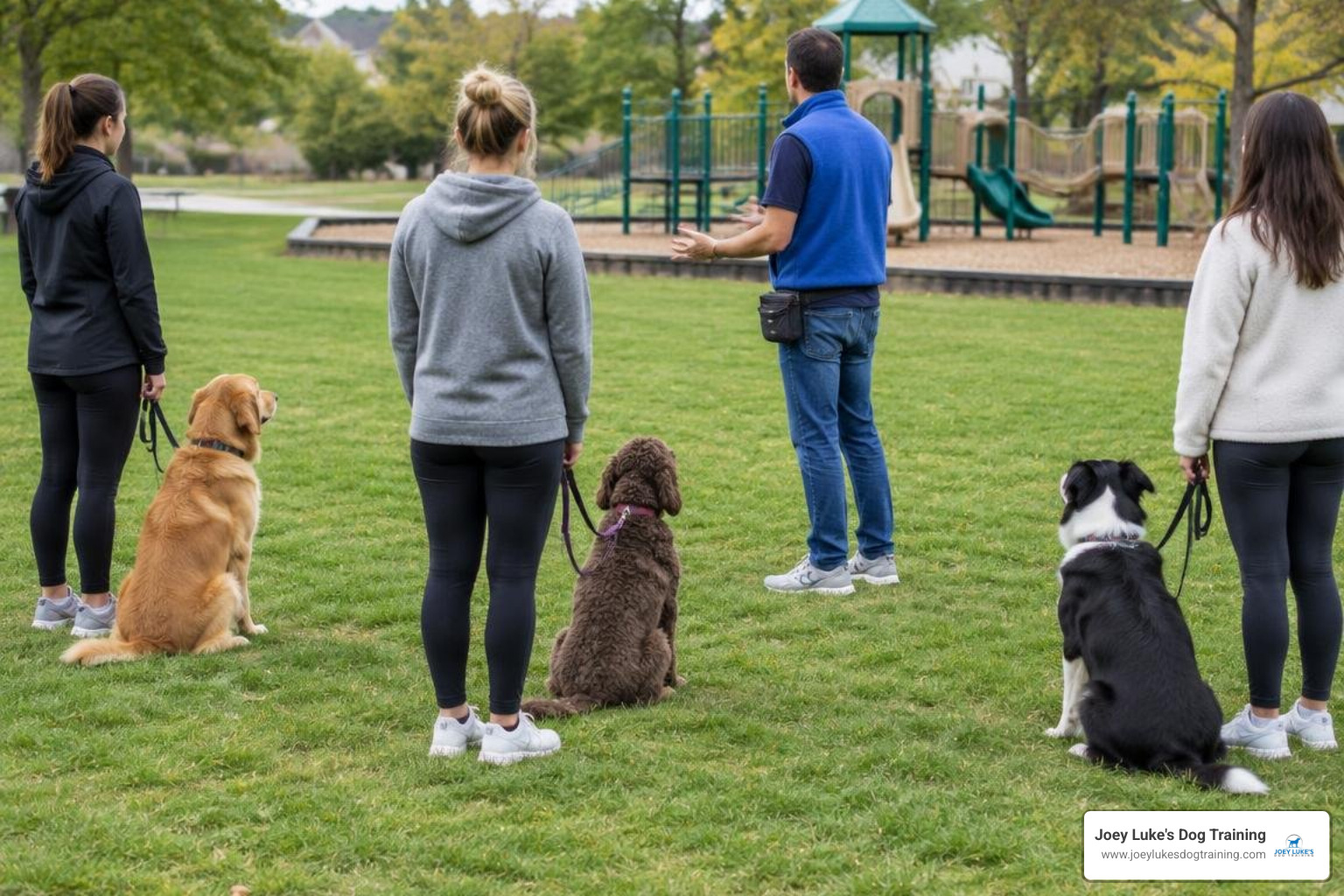
Dog training classes sound simple until you start looking. Then suddenly there are puppy programs, manners classes, sport classes, certification tests, trick titles, and your dog is eating a sock while you try to compare schedules.
So let's make it less dramatic.
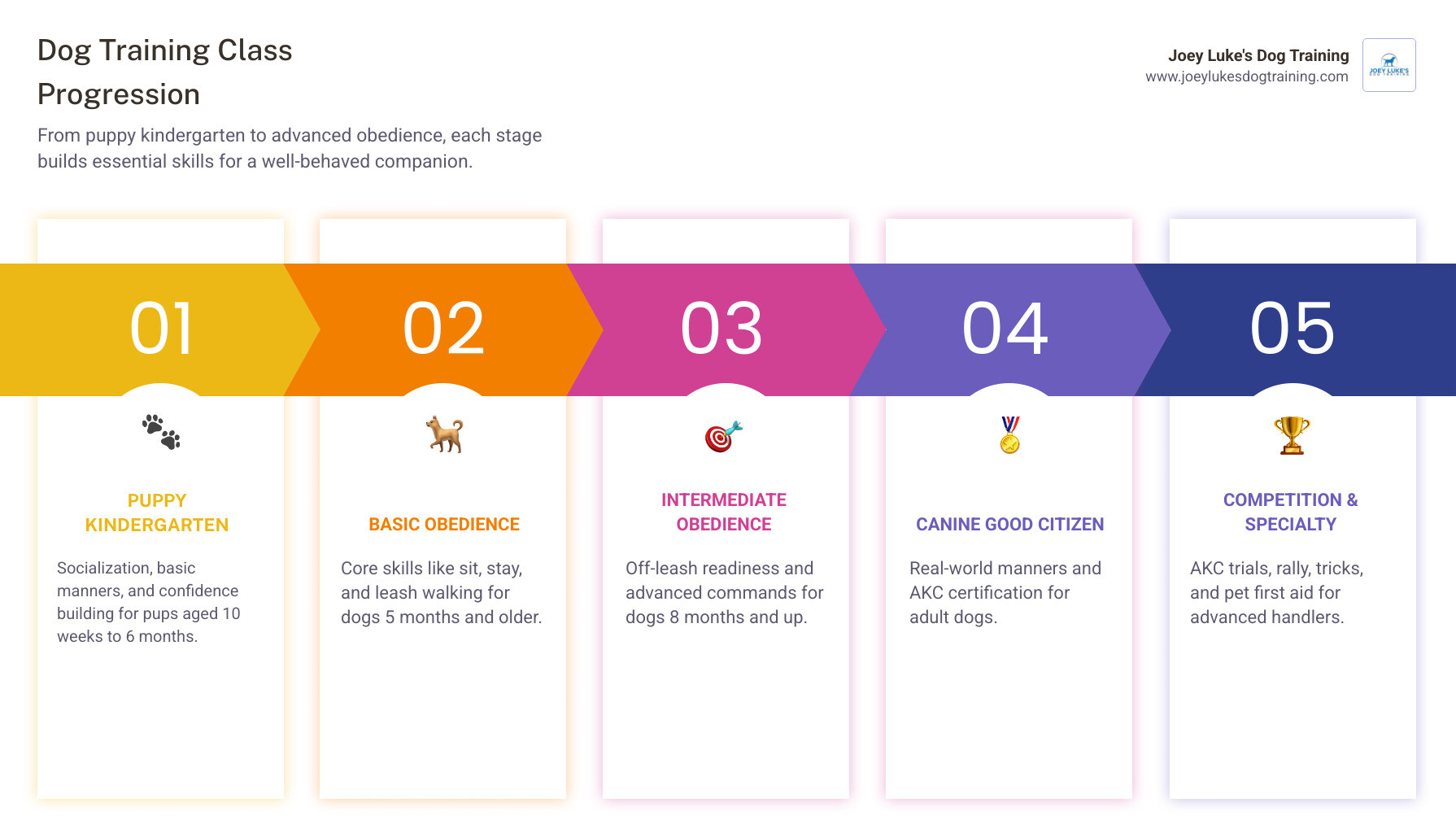
Puppy kindergarten is usually for puppies around 10 to 16 weeks old up through about 5 or 6 months. That's where young dogs work on socialization, confidence, handling, and the very important life skill of not treating every human hand like a chew toy.
Basic obedience is the next common step, often starting around 5 or 6 months and up. That's where sit, down, stay, come when called, and leash manners become more than things your dog does only when you're holding chicken.
Intermediate classes are for dogs who already know the basics but need to practice them around bigger distractions. Canine Good Citizen classes help adult dogs work toward polite real world manners. Competition, rally, agility style foundations, tricks, and specialty classes give busy dogs something productive to do with their very busy brains.
I'm Joey Johncox, and I've spent more than a decade working with dogs in rescue settings, family homes, and all the messy places where real life happens. I've seen how much easier life gets when dogs have a clear foundation, and I've also seen how fast things can feel overwhelming when families are trying to figure it all out alone.
If your dog is a 12 week old land shark, there's a class for that. If your dog is 2 years old and still acting like the mayor of Chaos Town, there's a class for that too.
Let's Find a Class That Doesn't Wreck Your Week
When you start browsing dog training classes, the number of choices can feel like a second calendar app you never asked for. Park district programs, private clubs, puppy classes, obedience classes, sport classes, private lessons. It adds up fast.
The easiest way to choose is to match the class to your dog's age and current skill level, not to where you wish your dog already was. Skipping ahead usually sounds efficient, but it's a lot like putting a toddler in middle school because you want bedtime to go faster. Nobody wins.
If you're starting with a young puppy, dedicated Classes for Puppy Training are usually the cleanest foundation. Puppies need safe exposure, gentle structure, and help learning that the world is interesting without being terrifying or one giant snack buffet.
What the First Level Actually Looks Like
Puppy kindergarten is usually built for puppies from about 10 weeks to 5 months old, though some programs allow puppies up to 6 months. These classes focus on early socialization, basic manners, confidence around new sights and sounds, and helping your puppy learn how to think while exciting things are happening nearby.
A lot of programs begin with an owner orientation night where the puppy stays home. That might sound odd until you picture trying to learn leash mechanics while your puppy is licking the floor, barking at a chair, and somehow finding one forgotten Cheerio under your shoe.
Basic obedience is the next step for older puppies and adult dogs, usually starting around 5 or 6 months and up. This is where families work on sit, down, stay, come when called, and loose leash walking with mild distractions.
If your home already feels busy before you add homework from dog class, our Puppy Training approach can help you focus on the skills that matter most in daily family life.
When Your Dog Is Ready for More Than Sit
Intermediate classes are for dogs who already understand the basics but need more practice around distractions. Most programs require dogs to be at least 8 months old and to have completed a basic obedience class or something similar.
At this stage, the goal is faster response, better focus, and more reliable manners when life gets noisy. Think sidewalks, parks, guests at the front door, and that one neighbor dog who seems personally committed to ruining your walk.
Many families use this stage to work toward the AKC Canine Good Citizen program, which tests 10 practical manners skills. Canine Good Citizen Advanced takes those same polite behaviors into busier real world settings.
For dogs and handlers who love having a project, competition obedience and rally can be a lot of fun. Novice, Open, Utility, rally courses, and ring ready practice sessions all give teams a structured way to keep building skills together.
What to Bring So the First Class Doesn't Feel Like a Fire Drill

The first night of class goes much smoother when you don't have to dig through your phone for vaccine records in the parking lot. Been there. Not fun.
Before enrolling in structured Obedience Classes for Dogs, gather your dog's medical paperwork from your veterinarian. Most group classes require proof of current vaccinations, including a rabies certificate for adult dogs.
Some facilities may accept health titers when appropriate, but that depends on the program. If you're unsure what vaccines are commonly recommended for dogs, the American Veterinary Medical Association vaccination guide is a helpful place to start before you talk with your vet.
Keep the records in one folder or saved clearly on your phone. Future you will be grateful.
The Gear Rules Are Annoying Until You See Why They Exist
Most group programs require a standard six foot leash made from leather or sturdy synthetic material. Retractable leashes are usually banned because they create tangles, burns, and way too much distance between you and your dog.
Chain leashes are often prohibited too because they hurt handler hands and make timing harder. In class, you want control without turning your palm into a medieval weapon situation.
Collar rules vary by facility. Some programs require a properly fitted slip collar or adjustable flat buckle collar, while others allow different setups based on the dog and class goals. Harnesses may not be allowed in formal obedience classes because many dogs learn to lean into them and pull harder.
Bring a treat pouch with small, soft, high value treats. Tiny pieces work best because your dog can eat quickly and get right back to paying attention.
Human gear matters too. Most organizations require handlers to be at least 15 years old to hold the leash independently in class. Younger kids can often watch with an adult, which is still useful because everyone at home needs to know the same rules.
Wear sturdy gym shoes or athletic sneakers. Sandals, flip flops, open toed shoes, and slick soles are usually not allowed because dogs move fast, people trip, and toes are not as replaceable as we would like.
What Classes Usually Cost and How the Schedule Works
Most group dog training classes run for six weeks, with one class per week for about an hour. That sounds manageable until you remember dinner, homework, sports practice, bedtime, and the dog choosing 6:47 p.m. as his preferred time to lose his mind.
Park district programs are often the lower cost option, usually landing around $100 to $140 for a session. They tend to use community centers, parks, or shared spaces, which can be convenient if the location is close to home.
Private training clubs and dedicated facilities often average around $160 for a six week course. The extra cost may come with indoor training halls, more specialized equipment, and a wider range of advanced options like Canine Good Citizen, tricks, rally, and competition obedience.
Discounts are common, especially when you continue with the same organization. Some programs offer around 10 percent off for returning students. A few clubs offer bigger discounts when a dog and handler move into higher level sport programs.
Certification and testing fees are usually separate from class tuition. A Canine Good Citizen test may cost around $15 per entry, while some virtual titling submissions can run closer to $25 depending on the format.
If you want to compare how structured private guidance fits into real family life, our Training Classes for Dogs page can help you think through the difference between a general group class and training built around your actual home routine.
The Fun Stuff Counts Too
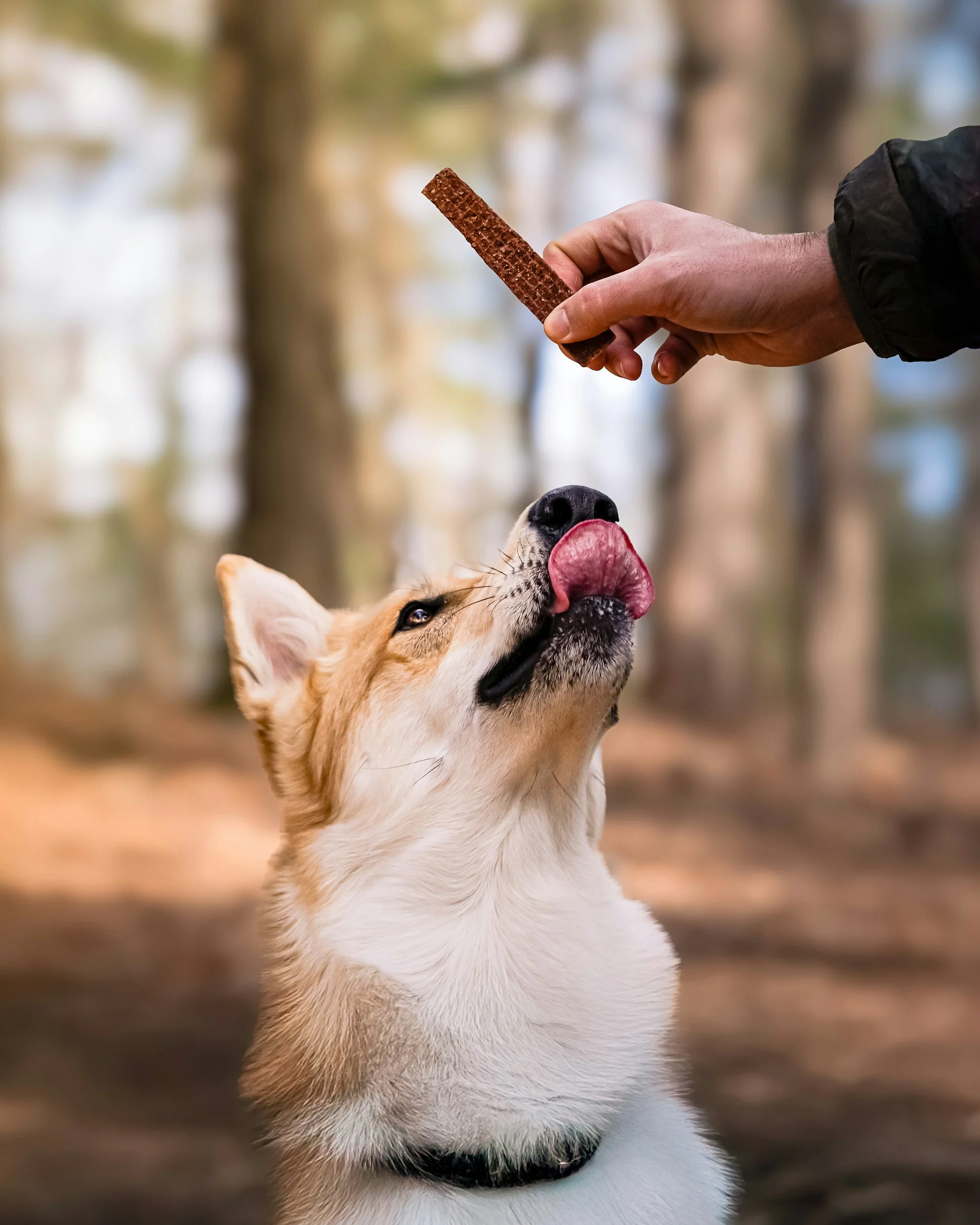
Training doesn't have to stop once your dog can hold a basic stay. In fact, a lot of dogs behave better when their brains have something fun to chew on besides your baseboards.
Trick classes are great for building focus without making everything feel serious. Dogs might learn speak, crawl, fetch, high five, paws up, or other crowd pleasing skills your kids will absolutely want to show every visitor who walks through the door.
Many novice trick programs use a recognized trick list. If your dog can demonstrate 10 out of 20 approved tricks, they may earn an official novice trick title.
Canine Good Citizen Advanced is another useful next step for families who want polite manners outside the classroom. It asks dogs to practice calm behavior in busier places, which is exactly where a lot of family dogs need help.
Pet first aid workshops are worth considering too. These classes teach practical skills like checking respiration, finding a pulse, monitoring temperature, and applying emergency bandaging. Dogs are often safely crated during the hands on portions so handlers can practice without juggling a leash.
If you want simple ideas to keep training moving between classes, our Dog Training Tips page has everyday help that doesn't require turning your living room into a training facility. For support built around your home layout and schedule, Dog Training Lessons can be a better fit.
The Questions Everyone Has Before Signing Up
How Young Is Too Young for Class
Most puppy kindergarten programs start somewhere between 10 and 12 weeks of age and run up to about 5 or 6 months. Puppies usually need their first core vaccine rounds before joining a group setting, so check the class rules and your vet's guidance before you enroll.
Basic obedience usually starts around 5 or 6 months and up. Older puppies and adult dogs who haven't had formal training can still start there, so please don't panic if your dog missed the tiny puppy window.
Intermediate and advanced classes often require dogs to be at least 8 months old. That gives young dogs more mental focus and physical maturity before the work gets harder.
Can My Kid Hold the Leash in Class
Most group facilities require handlers to be at least 15 years old to hold the leash independently. That's not because kids aren't capable of learning. It's because a room full of excited dogs can change direction very quickly, and safety has to come first.
Kids are usually welcome to watch with adult supervision. Honestly, that's still helpful. When the whole family hears the same instructions, home practice gets a lot less confusing.
If you want training that includes the family more directly, our Services page explains options that can fit real household routines.
Why Are Retractable Leashes and Sandals Such a Big Deal
Retractable leashes give dogs too much room in tight class spaces. The cord can wrap around legs, paws, chairs, and other dogs before anyone has time to react.
They also keep constant pressure on the leash, which can teach some dogs to pull harder. Not exactly the lesson you're paying for.
Sandals and open toed shoes are a problem because dogs step, spin, jump, and lunge. Athletic shoes give you traction and protect your feet when your dog suddenly decides the floor is lava.
For more gear and program questions, visit our FAQs page.
When Group Class Isn't the Right Fit Right Now
Group dog training classes can be fantastic. They offer structure, socialization, and a weekly reason to practice, which many families need.
But if your calendar already looks like a crime scene of school events, sports, work meetings, and grocery pickup windows, a rigid evening class may not be realistic. That doesn't mean you failed. It means you have a life.
At Joey Luke's Dog Training, we help families across Livonia, Novi, Plymouth, Canton, Northville, South Lyon, Farmington Hills, Ann Arbor, Detroit, and the surrounding Metro Detroit suburbs turn stressful dog behavior into calmer family life.
Private lessons are a great fit when you're home for the season but quietly have fix the dog sitting on your mental to do list. We come into the situations that actually matter, like kids running through the kitchen, guests at the front door, neighborhood walks, and the dog treating the couch like a trampoline park.
Board and train can be a smart option for families planning summer travel. If you're already budgeting to board your dog while you're away, that same window can produce real training progress instead of just basic care.
Explore our full range of options on our Dog Training for Dogs page, and let's make your dog easier to live with in the home you already have.
