
What Nervous Pups in Livonia Need From Us
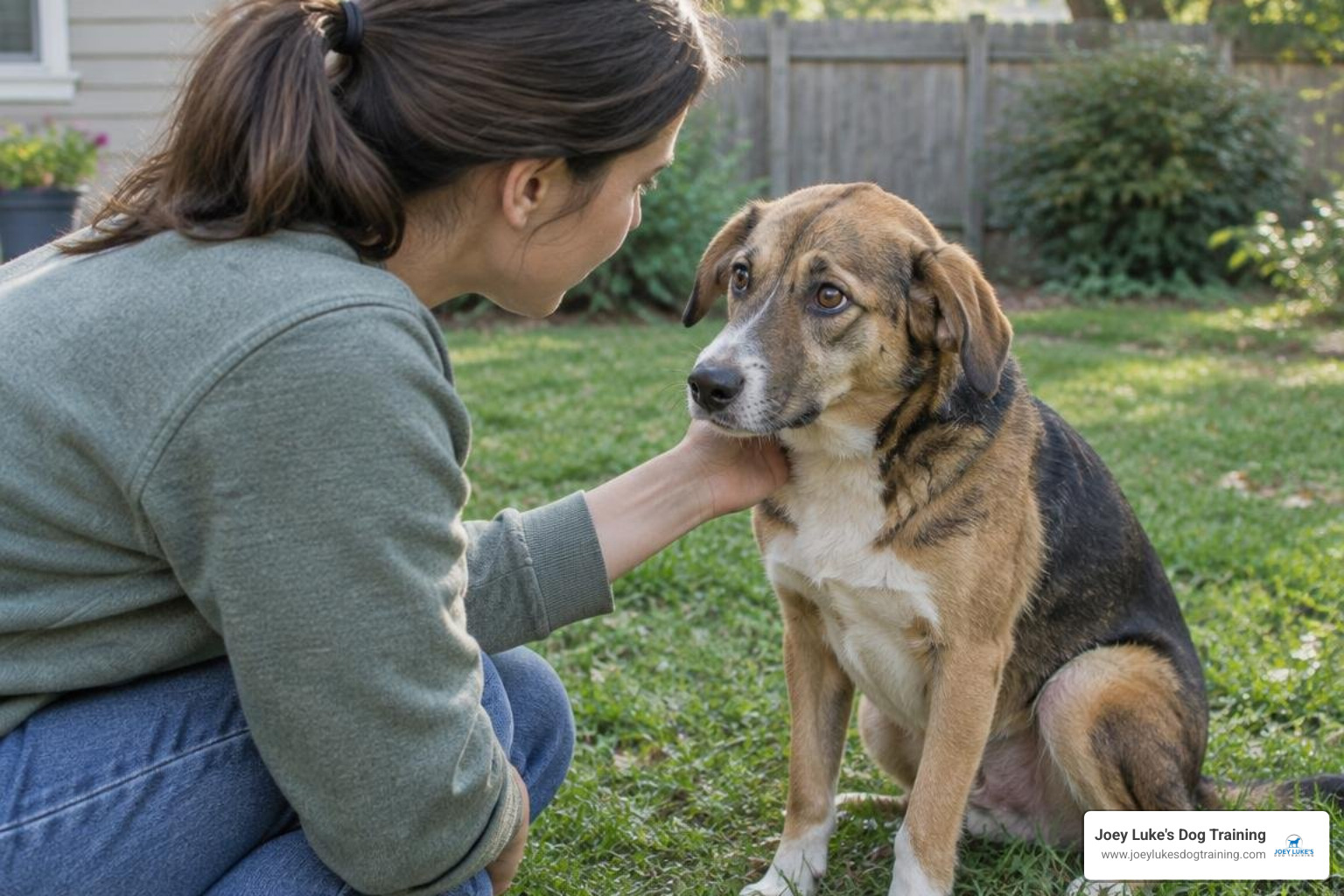
Start with space, not pressure. Notice what scares your dog, then move far enough away that they can relax and take a treat. Reward small, calm choices and let your dog set the pace. If they freeze, lick their lips, or turn away, give them more room. Don't punish or force an interaction.
At home, a quiet place to retreat and a steady routine can help your dog feel safer, even when the kids' schedule gets busy. You don't have to solve every fear at once. Small wins stack up faster than you'd think, especially when you're working with a plan that fits your family's actual life.
I'm Joey Johncox, and I began learning dog training for fearful dogs while helping rescue dogs more than a decade ago. Today, I help families in Livonia and nearby Detroit suburbs build calmer lives with their dogs. Whether you're in Northville, Plymouth, Canton, or right here in Livonia, you're not stuck figuring this out alone.
What Your Nervous Dog Is Trying to Tell You
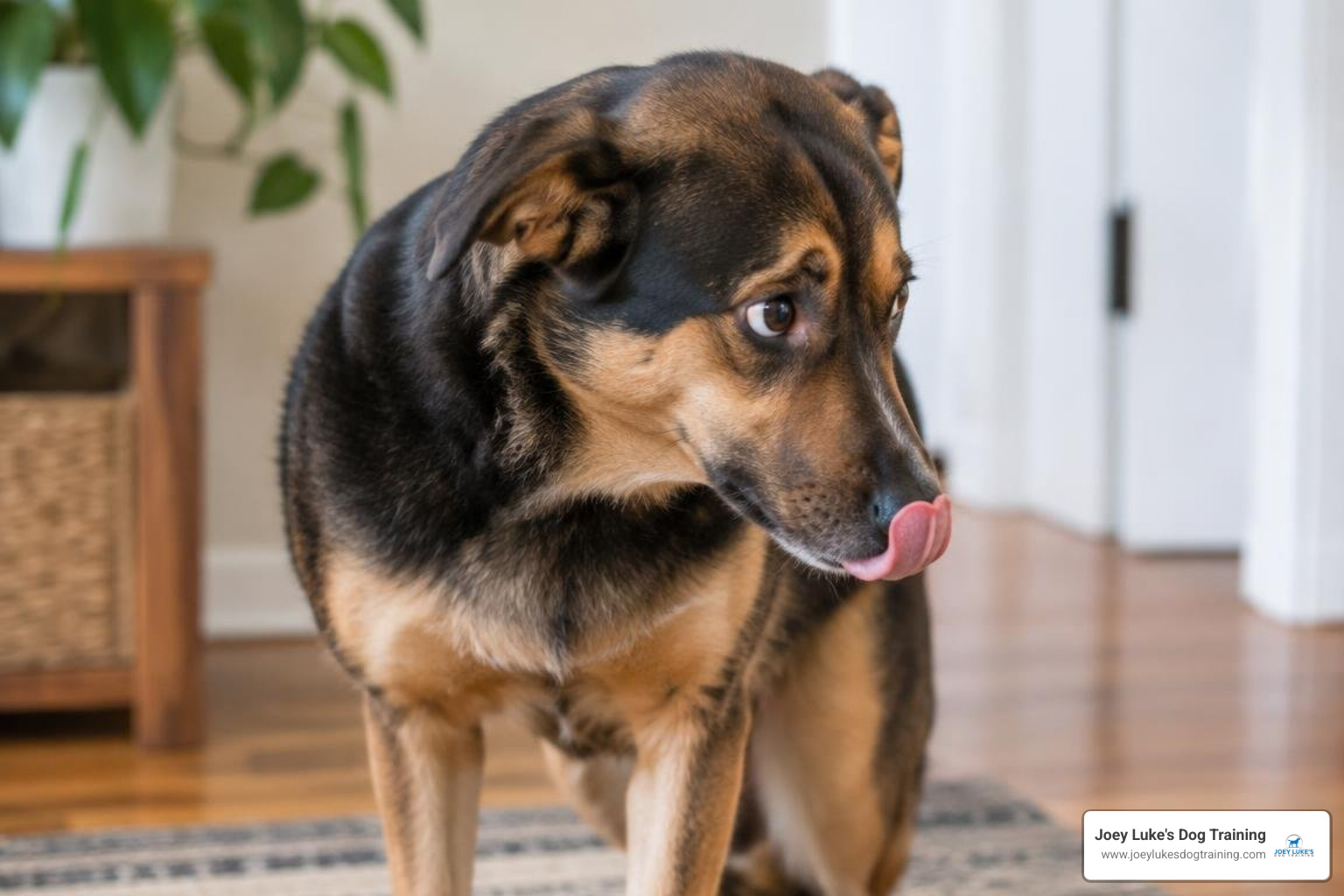
Dogs talk with their whole bodies long before they ever make a sound. You might see a yawn when they aren't tired, or sudden floor sniffing right as someone walks into the room. These displacement behaviors happen because your pup feels conflicted and needs a quick mental reset.
Normal caution looks like a brief pause before investigating something unfamiliar. Abnormal fear takes over the brain, turning minor surprises into total panic. When adrenaline surges and cortisol spikes flood the system, your pup can't think clearly, learn new tasks, or take high value snacks. Cortisol lingers in the bloodstream for hours, so a morning fright can leave your dog feeling jumpy all afternoon.
Tucking the tail, showing the whites of the eyes, or turning the head away are clear pleas for space. Our guide on reading subtle body language clues breaks down how these quiet hints escalate if nobody listens.
Scolding a growling or trembling dog backfires every single time. Punishing a warning growl simply removes the smoke alarm, leaving you with a dog that might bite without warning next time. Fear isn't an act of spite, defiance, or stubbornness; it's a raw emotional response.
Multiple small stressors also stack up throughout the day. A loud garbage truck in the morning plus a dropped pan at lunch can make your dog lose their mind over a doorbell ring by dinner. Always check with your vet when sudden behavioral shifts happen, because hidden joint pain or ear infections often fuel sudden skittishness, as highlighted in veterinary insights on canine anxiety.
Why Trust Comes Before Training for a Fearful Dog
True confidence starts with physical security at home. Give your pup a dedicated retreat, like a cozy crate covered with a blanket in a quiet corner where busy kids know not to disturb them. Den conditioning gives worried pups an untouchable safe zone where they can decompress without worrying about unexpected foot traffic or loud games of tag. Predictable feeding, walking, and play routines create a reliable rhythm that lowers daily stress.
Changing deep fear requires working below your dog's emotional threshold. You want to find the exact distance where your dog notices a trigger but remains calm enough to breathe, look at you, and eat a treat. Pushing closer too fast causes flooding, which overwhelms the brain and makes the fear worse.
| Training Approach | What Happens During the Session | Long Term Result for the Dog |
|---|---|---|
| Gradual Desensitization | Trigger stays at a safe distance while treats build positive feelings | Real emotional recovery, genuine optimism, and lasting confidence |
| Forced Flooding | Dog is trapped near the scary trigger until they stop fighting | Learned helplessness, suppressed panic, and unpredictable explosive reactions |
Pairing the sight of a scary object with incredible rewards changes how your dog feels about it. This process forms the foundation of effective desensitization protocols. For busy families balancing sports practices and school drop offs, setting aside time for group classes can feel impossible, which is why working through customized private lessons right in your living room creates fast, low stress results.
Small Ways to Help Your Dog Feel Braver
Building real courage doesn't require giant leaps. You can help your pup by offering clear guidance, advocating for their personal space, and celebrating tiny wins every afternoon.
How to Help Your Dog Feel Safer Around New People and Dogs
Meeting strangers should never involve forced greetings or awkward petting sessions. We use the structured Treat Retreat method to keep the dog in control. In this game, a visitor tosses a delicious treat behind the dog, rewarding curiosity while naturally guiding the dog away to a safe distance.
Relying on a steady, neutral dog can also work wonders. Nervous dogs often mirror the easy body language of an unbothered helper pup during parallel walks. Keeping leashes loose prevents barrier frustration and gives everyone room to breathe.
If your dog barks or lunges when pushed past their limit, you're seeing self defense rather than malice. Getting professional help for managing fearful and defensive reactions keeps everyone safe. You can also review shelter guidelines for dogs fearful of unfamiliar people to see how professionals minimize social pressure.
Easy Confidence Games to Try at Home
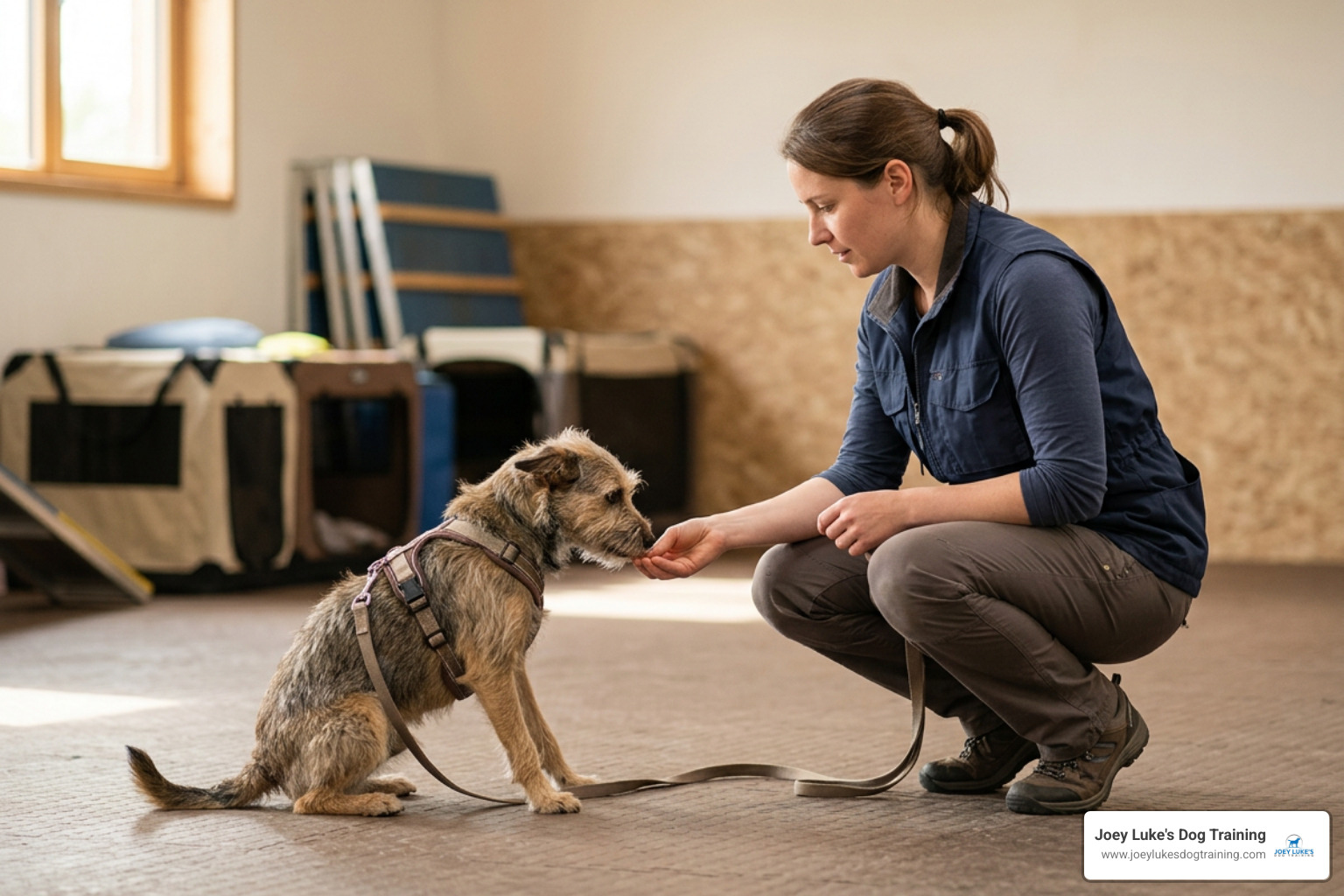
Simple games tap into natural curiosity and turn timid dogs into eager problem solvers. Hand targeting is our favorite starting point because it gives your dog an easy job. Hold out a flat palm, click or praise the second their wet nose taps your skin, and deliver a piece of roast chicken.
Nose work also lowers heart rates naturally. Scattering kibble across a snuffle mat or grass forces your dog to use their olfactory system, which releases calming neurotransmitters. You can find more actionable everyday dog training tips to turn regular meal times into engaging enrichment sessions.
How to Help Your Dog Through Thunderstorms, Fireworks, and Sudden Bangs
Sudden summer storms and holiday fireworks turn many peaceful living rooms upside down. Studies reveal that up to 52 percent of pet dogs suffer from noise aversions, yet only 25 percent of guardians recognize early sound sensitivity. Fortunately, 70.8 percent of owners find systematic counterconditioning highly effective for sound phobias.
Start by setting up a cozy bunker well before bad weather rolls in. A windowless basement room, a solid travel crate draped in thick blankets, and a box fan running on high help muffle outside booms. Acoustic masking with brown noise or calming music helps drown out sharp claps of thunder before they startle your pup.
You can layer low volume sound recordings during meal times to build resilience, following proven IAABC noise aversion training strategies. Playing thunderstorm tracks at barely audible levels while tossing jackpot treats turns scary booms into a signal that dinner is served.
Questions Families Ask About Helping a Fearful Dog
Living with a worried dog brings up lots of questions, especially when you want to make sure you're doing the right thing for your household.
When Is It Time to Ask a Vet About Anxiety Medication?
If your dog can't recover for hours after a loud noise, refuses to eat for days, or panics to the point of self harm, training alone isn't enough. Behavioral medication isn't a failure or a personality eraser; it simply balances brain chemistry so learning can happen. Situational anxiolytics can take the edge off stormy summer nights while daily medications offer steady relief for chronic panic. Pairing medical support with working with a qualified dog behaviorist gives your pup the best path forward.
How Long Does It Usually Take to See Progress?
Brain pathways take time to rebuild, so progress happens in subtle layers rather than overnight miracles. Neuroplasticity works slowly, meaning new coping habits take consistent repetition to replace old fear responses. You might notice your dog recovers five minutes faster from a doorbell ring this week, or glances at a delivery driver without barking next month. Checking out our advice on avoiding common family puppy raising mistakes can help keep your expectations steady and fair.
Can Balanced Training Help a Timid or Scared Dog Safely?
Clear boundaries provide immense comfort to an anxious mind. When dogs know exactly what's expected of them, the chaotic world becomes predictable and safe. A balanced training approach pairs rich rewards for good choices with gentle leash guidance, spatial pressure release, and communication clarity. When used thoughtfully by an experienced professional, modern tools like electronic collars act as a gentle tap on the shoulder, giving clear direction without conflict or fear.
How to Turn Hesitation into Everyday Confidence
Watching your dog struggle with the outside world is tough, but you don't have to figure it out alone. With clear communication, patience, and the right plan, your nervous pup can learn to take life in stride.
Whether you need private lessons that fit into a chaotic family schedule or want to turn your summer vacation boarding budget into a transformative leap forward with our board and train program, we're here to help. Check out our proven dog training programs and let's get your family back on track.
